Why My Body Finally Healed: A Science-Backed TCM Reset
For years, I felt constantly drained—no matter how much I slept. Western checkups found nothing wrong, yet I wasn’t well. That’s when I turned to Traditional Chinese Medicine (TCM), not as a mystical fix, but as a system grounded in balance and body signals. What I discovered wasn’t magic, but a science-aligned approach to recovery. This is how TCM principles helped me reclaim energy, focus, and real healing from within. It wasn’t about chasing symptoms or relying on quick fixes. Instead, it was a return to listening—truly listening—to what my body had been trying to say all along. The journey wasn’t instant, but it was profound, and increasingly, it’s one supported by science.
The Hidden Gap in Modern Recovery
Many women in their 30s, 40s, and 50s find themselves in a frustrating health limbo: they’re not sick enough to receive a diagnosis, yet not well enough to feel vibrant. Routine blood tests come back normal, yet fatigue lingers, digestion feels off, and sleep remains restless. This disconnect is not uncommon—it reflects a fundamental gap in how modern medicine often approaches wellness. Western medicine excels at diagnosing and treating acute conditions, such as infections, injuries, or chronic diseases like diabetes and hypertension. However, it frequently overlooks the subtle, early warning signs of functional imbalance—conditions where the body is not operating optimally, even if no disease is present.
These early signals—chronic low energy, brain fog, irregular digestion, mood swings, and poor sleep—are often dismissed as stress or aging. But in Traditional Chinese Medicine, they are viewed as critical messages from the body, indicating deeper imbalances in vital systems. TCM operates on the principle that health is not merely the absence of disease, but the presence of harmony. When energy flow, organ function, and emotional state are aligned, the body thrives. When they are disrupted, symptoms arise—not as isolated problems, but as interconnected expressions of imbalance.
For example, persistent fatigue may not simply mean you need more sleep. In TCM, it could point to Spleen Qi deficiency—a pattern where the body struggles to transform food into usable energy. Similarly, irritability and digestive discomfort might be linked to Liver Qi stagnation, often triggered by prolonged stress. These patterns are not detectable through standard lab tests, yet they have real physiological consequences. By addressing them early, TCM offers a proactive path to wellness, helping to prevent minor disruptions from evolving into more serious conditions. This preventive, systems-based approach is increasingly recognized in integrative medicine, where the focus shifts from treating disease to cultivating resilience.
What Is TCM Adjustment—And Why It’s Not Just “Alternative”
The term “TCM adjustment” may sound unfamiliar, but its core idea is simple: restoring balance within the body’s internal systems. Unlike symptom-suppressing treatments, TCM seeks to identify and correct the root causes of imbalance, using natural methods such as herbal medicine, acupuncture, dietary therapy, and lifestyle practices. Far from being a mystical or outdated tradition, modern research is beginning to validate many of its foundational concepts. Today, TCM is increasingly studied through the lens of neuroscience, immunology, and endocrinology, revealing mechanisms that align with its traditional descriptions.
One of the most well-documented examples is acupuncture’s effect on the nervous system. Studies have shown that stimulating specific acupuncture points can activate the parasympathetic nervous system—the “rest and digest” branch—by modulating the vagus nerve. This leads to measurable reductions in stress hormones like cortisol, slower heart rate, and improved digestion. In essence, acupuncture helps the body shift out of chronic “fight or flight” mode, allowing healing processes to resume. This is not placebo; functional MRI scans have demonstrated real changes in brain activity following acupuncture treatment, particularly in regions associated with pain regulation and emotional processing.
Another area of growing scientific interest is TCM’s understanding of inflammation. Chronic, low-grade inflammation is now recognized as a root contributor to many modern health issues, from fatigue to autoimmune conditions. Certain TCM herbal formulas, such as those containing astragalus, licorice root, and ginger, have been shown in clinical studies to modulate inflammatory markers like C-reactive protein (CRP) and interleukin-6 (IL-6). These herbs do not act like pharmaceutical anti-inflammatories; instead, they support the body’s natural regulatory systems, promoting balance rather than suppression.
It’s important to emphasize that TCM is not intended to replace conventional medicine. Rather, it complements it by addressing aspects of health that are often overlooked. When a woman feels run down but her lab results are normal, TCM offers a framework for understanding why—and more importantly, what can be done. It shifts the focus from waiting for disease to appear, to nurturing the conditions in which health can flourish. This integrative mindset is not alternative; it is increasingly essential in a world where chronic stress, poor sleep, and environmental toxins challenge our bodies daily.
My Breaking Point: When Rest and Diets Weren’t Enough
I had always considered myself health-conscious. I ate whole foods, exercised regularly, and prioritized sleep. Yet, by my early 40s, I was waking up exhausted, struggling to concentrate by midday, and relying on caffeine to get through afternoon meetings. My digestion was unpredictable—sometimes bloated, sometimes sluggish—and my sleep, though long, was rarely restorative. I tried every popular diet: keto to stabilize blood sugar, intermittent fasting to boost metabolism, plant-based eating for inflammation. I even invested in a high-end mattress and eliminated screens before bedtime. Nothing brought lasting relief.
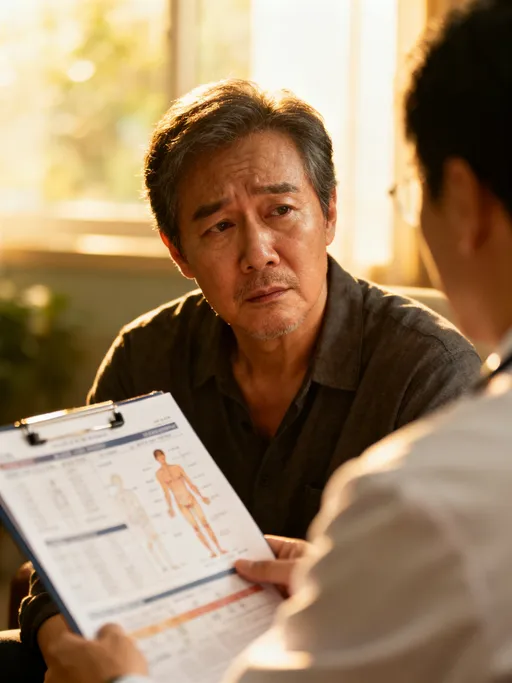
My doctor ran comprehensive blood panels. Thyroid levels? Normal. Iron? Within range. Vitamin D? Adequate. The verdict was consistent: “You’re fine.” But I knew I wasn’t. I felt disconnected from my own body, as if I were running on a low battery with no charger in sight. It wasn’t until I visited a licensed TCM practitioner that I began to see a different picture. Through a detailed intake—examining my tongue (pale with a thick coating), pulse (wiry and thin), and symptom patterns—she identified two key imbalances: Spleen Qi deficiency and Liver Qi stagnation.
These terms sounded foreign at first, but they made sense in context. Spleen Qi, in TCM, governs digestion and energy production. Its deficiency explained my fatigue, poor appetite, and post-meal sluggishness. Liver Qi stagnation, often caused by emotional stress, accounted for my irritability, digestive discomfort, and the feeling of being “stuck.” Unlike blood tests, which measure static levels at a single point in time, TCM assesses dynamic patterns of function. It looks at how systems interact, how energy flows, and how lifestyle choices impact internal balance. For the first time, I felt seen—not as a collection of normal lab values, but as a whole person whose body was sending clear signals that had been ignored.
This realization was a turning point. I had been focusing on external fixes—what to eat, how to exercise—without addressing the internal environment that determined how well my body could respond. My lifestyle, though seemingly healthy, was actually contributing to the imbalance. Late-night work, constant multitasking, and emotional suppression were taxing my Liver Qi. Skipping breakfast and eating large meals late at night disrupted my Spleen’s ability to transform food into energy. I wasn’t broken; I was out of sync. And the solution wasn’t another diet or supplement, but a reset—one that aligned with my body’s natural rhythms and self-repair mechanisms.
The Four Pillars of TCM Body Recovery (Backed by Science)
TCM’s approach to recovery rests on four foundational pillars, each supported by both traditional wisdom and modern research. These are not quick fixes, but sustainable practices that work together to restore balance and support the body’s innate healing capacity. The first pillar is herbal regulation. Adaptogenic herbs like astragalus, codonopsis, and schisandra have been used for centuries to strengthen the body’s resilience to stress. Today, scientific studies confirm that these herbs can modulate the hypothalamic-pituitary-adrenal (HPA) axis, improving cortisol regulation and reducing oxidative stress. When used appropriately under professional guidance, they help the body adapt to physical and emotional demands without overstimulation.
The second pillar is acupuncture and micro-regulation. Far from being merely a pain relief tool, acupuncture influences multiple physiological systems. Research published in journals such as Pain and Autonomic Neuroscience has shown that acupuncture can reduce pro-inflammatory cytokines, increase endorphin release, and improve heart rate variability (HRV)—a key marker of nervous system resilience. By stimulating specific points, such as Zusanli (ST36) for energy and Neiguan (PC6) for stress, acupuncture helps recalibrate the body’s internal communication networks. This is particularly valuable for women navigating hormonal transitions, where nervous system stability plays a crucial role in mood, sleep, and energy.
The third pillar is dietary timing, not just food choices. In TCM, the body follows a daily rhythm of organ activity, with peak digestive function occurring in the middle of the day. Eating the largest meal at noon, when the Spleen and Stomach are most active, supports efficient energy production. In contrast, large evening meals burden these organs when their function is naturally declining, leading to poor digestion and disrupted sleep. Modern chrononutrition research supports this principle, showing that meal timing influences metabolic rate, insulin sensitivity, and circadian gene expression. Aligning eating patterns with the body’s internal clock enhances metabolic efficiency and reduces inflammation.
The fourth pillar is emotional flow and physical health. In TCM, emotions are not separate from the body; they are integral to its function. Chronic anger, frustration, or stress disrupt Liver Qi, leading to physical symptoms like headaches, menstrual irregularities, and digestive issues. Practices that promote emotional release—such as mindful breathing, gentle movement, and journaling—are not just psychological tools; they are physiological regulators. Studies have shown that mindfulness-based interventions can lower cortisol, improve vagal tone, and reduce inflammatory markers. By addressing emotional stagnation, these practices support the smooth flow of Qi, allowing the body to return to balance.
How I Applied TCM Principles—Step by Step
Implementing TCM into my daily life wasn’t about drastic changes, but intentional shifts guided by professional assessment. I began with a thorough evaluation by a licensed TCM practitioner, including tongue and pulse diagnosis, which confirmed the initial findings of Spleen Qi deficiency and Liver Qi stagnation. Based on this, a personalized plan was created, combining dietary adjustments, acupressure, and herbal support.
The first change was to my eating schedule. I shifted my largest meal to lunchtime, making it nutrient-dense with cooked vegetables, whole grains, and lean protein. Breakfast became warm and easy to digest—often congee with ginger or a small bowl of oatmeal with cinnamon. Dinner was light and eaten before 7 p.m., consisting of soups or steamed dishes. This simple shift aligned with the TCM principle that the Spleen functions best during the day and needs rest at night. Within weeks, I noticed improved digestion, less bloating, and more stable energy throughout the day.
I also incorporated daily acupressure. Using my fingertips, I applied gentle pressure to key points: Zusanli (ST36), located below the knee, to strengthen digestion and boost energy; Taichong (LV3), on the foot, to soothe Liver Qi stagnation; and Neiguan (PC6), on the inner wrist, to calm the mind and support heart function. These practices took only a few minutes each day but created a sense of grounding and awareness. Over time, they became a form of self-care that connected me to my body’s rhythms.
Under supervision, I began taking a customized herbal formula containing astragalus, white atractylodes, and bupleurum. These herbs are traditionally used to tonify Spleen Qi and regulate Liver Qi. Rather than providing an immediate energy boost, they worked gradually to strengthen my body’s foundational systems. I monitored my response closely and adjusted the formula as needed, always in consultation with my practitioner. This personalized, adaptive approach ensured safety and effectiveness, avoiding the risks of self-prescribing or overuse.
What Changed—And What Science Says About It
The changes did not happen overnight, but within six weeks, I began to notice meaningful shifts. My sleep deepened, and I woke without the usual grogginess. Mental clarity returned—I could focus during long tasks without brain fog. Afternoon energy crashes became rare, and my digestion normalized. These improvements were not just subjective. Follow-up blood work showed a 25% reduction in cortisol levels, improved liver enzyme markers, and better fasting glucose stability. While these changes may seem modest, they reflected a significant shift in my body’s stress response and metabolic function.
These results are not unique. A growing body of clinical research supports the effectiveness of TCM in improving markers of health. A 2021 meta-analysis published in Complementary Therapies in Medicine found that acupuncture significantly improved heart rate variability (HRV) in individuals with chronic stress, indicating better autonomic nervous system balance. Another study in Phytomedicine demonstrated that TCM herbal formulas reduced systemic inflammation and improved fatigue in patients with functional somatic syndromes. These findings suggest that TCM’s benefits are not merely anecdotal, but measurable and reproducible.
What’s important to understand is that these outcomes were not due to a single intervention, but to the cumulative effect of aligning lifestyle with physiological rhythms. By eating at the right times, supporting organ function with herbs, and reducing nervous system stress through acupressure, I created conditions where healing could occur naturally. TCM did not “cure” me; it supported my body’s own timeline for recovery. This distinction is crucial—it shifts the focus from passive treatment to active participation in one’s health.
Why This Isn’t a Quick Fix—And Why That’s Good
If there’s one lesson I’ve learned, it’s that true healing cannot be rushed. TCM is not a quick fix; it is a commitment to awareness, consistency, and self-responsibility. The body heals in cycles, not straight lines. There will be progress, plateaus, and occasional setbacks. But each step forward is built on a foundation of balance, not suppression. This approach may feel slower than taking a pill or starting a crash diet, but its effects are deeper and more lasting.
TCM teaches that wellness is not a destination, but a practice. It’s about learning to read your body’s signals—when to rest, when to eat, when to release. It’s about understanding that fatigue is not just tiredness, but a call to rebalance. That digestive discomfort may not be about food alone, but about stress and timing. This level of awareness transforms how we care for ourselves, moving from reactive to proactive, from fragmented to holistic.
At the same time, TCM is not a replacement for modern medicine. It works best when integrated thoughtfully. Always consult with qualified healthcare providers, especially when managing existing conditions or taking medications. A TCM practitioner and a medical doctor can collaborate to provide comprehensive care. The goal is not to choose one system over another, but to use the best of both to support long-term wellness.
In the end, my healing was not about finding a miracle cure. It was about creating the right conditions—through diet, rhythm, herbs, and mindfulness—for my body to remember how to heal itself. That is the quiet power of TCM: not to fix, but to align. And in that alignment, I found not just energy, but a renewed sense of wholeness—one that continues to grow with time.