Chasing Light and Textiles in Madagascar’s Beating Heart
Antananarivo isn’t just Madagascar’s capital—it’s a visual symphony of color, texture, and movement. As a photographer drawn to authentic moments, I found myself captivated not by grand landmarks, but by the city’s vibrant street markets and handmade treasures. Every alleyway told a story through fabric, craft, and light. This is where shopping becomes art, and every purchase frames a memory worth capturing. The city pulses with a rhythm that defies postcard perfection—its beauty lies in the imperfect, the lived-in, the deeply human. From the rustle of handwoven lamba in the breeze to the golden glow of late afternoon on red laterite rooftops, Antananarivo offers a photographer’s dream rooted in real life. Here, every frame tells a story not of spectacle, but of daily resilience, creativity, and quiet pride.
The Rhythm of Analakely Market
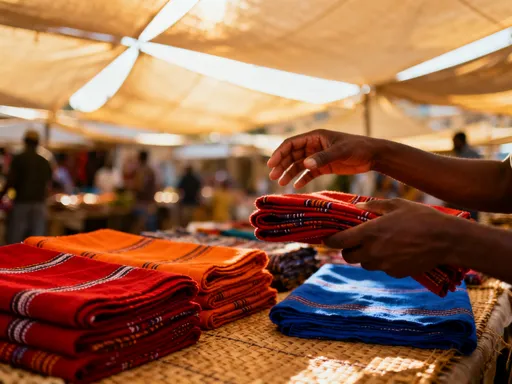
At the heart of Antananarivo’s sensory landscape lies Analakely Market, a sprawling network of stalls that spills across streets and climbs narrow staircases in the city’s central district. More than just a place to buy goods, it functions as a living stage where commerce, culture, and community converge. Vendors unfold bolts of lamba cloth in bursts of indigo, rust, and saffron, while wooden carvings of zebu and ancestral figures stand sentinel beside baskets woven from raffia and reed. The air hums with barter, laughter, and the occasional call to prayer drifting from a nearby mosque, creating a layered soundscape that complements the visual richness.
For photographers, Analakely offers an unparalleled opportunity to capture movement and texture in natural light. Morning is the ideal time to visit, when the sun climbs just high enough to filter through the patchwork of canvas awnings without casting harsh shadows. This soft, diffused illumination enhances the depth of woven patterns and brings out the grain of hand-carved wood. The early hours also mean fewer crowds, allowing for more deliberate compositions and candid moments—such as a vendor adjusting a display of hand-stitched shoulder bags or a grandmother inspecting the weave of a ceremonial lamba before purchase.
Timing is more than logistical—it’s ethical. Arriving early respects the work rhythm of local sellers, many of whom begin their day before dawn. It also allows for quieter interactions, reducing the pressure on subjects who might feel overwhelmed by constant attention. A slow, observant approach—pausing, smiling, waiting—often results in more authentic expressions and natural poses. The goal is not to extract images, but to witness and honor the daily life unfolding in this bustling urban heart.
Behind the Lens: Capturing Craftsmanship
Beyond the market stalls, Antananarivo’s artistic soul reveals itself in the hands of its artisans. In small workshops tucked behind main roads or within family compounds, craftspeople transform raw materials into objects of both utility and beauty. A woodcarver in Soarano shapes zebu horn into intricate pendants, each groove carved with a chisel worn smooth by years of use. Nearby, a woman in Ambohibao bends raffia fibers into the base of a market basket, her fingers moving with a rhythm perfected over decades. These are not performances for tourists; they are acts of tradition, livelihood, and quiet mastery.
Photographing such moments requires intention and respect. The camera should never intrude where it is not welcome. The first step is always permission—offering a polite nod, a smile, and a simple phrase in Malagasy such as 'Azoko atao ny hanambarana anao?' (May I take your picture?) goes a long way. When granted, the resulting images carry a dignity that staged shots lack. The focus should shift from the face alone to the hands in motion: the pinch of thread between fingers, the tap of a mallet on wood, the flick of a wrist as a coil tightens. These details tell the deeper story of skill passed down through generations.
From a technical standpoint, using a shallow depth of field helps isolate the subject’s hands against a soft background, drawing attention to texture and movement. A macro lens can reveal the fine grain of carved horn or the interlacing of dyed raffia. But more important than equipment is patience. Waiting for the artisan to settle into their rhythm allows the photographer to capture not just a pose, but a process—a fleeting moment of creation suspended in time. In doing so, the image becomes less a souvenir and more a tribute to the unseen labor behind every handmade object.
Colors That Speak: The Photographic Power of Malagasy Textiles
No element of Antananarivo’s visual culture is as expressive as its textiles, particularly the lamba, a rectangular cloth worn by men and women across Madagascar. More than mere clothing, the lamba carries layers of meaning—denoting status, region, occasion, and even spiritual protection. In the markets, rows of lamba hang like banners, their patterns ranging from geometric ikat weaves to floral jacquards and symbolic motifs like the aso-tena (life tree). Each region produces distinct styles, with coastal areas favoring brighter dyes and highland communities embracing deeper indigos and earth tones.
For photographers, these textiles offer bold compositions rich in contrast and symbolism. The challenge lies in capturing their vibrancy without losing detail to overexposure. Bright reds and yellows, especially when caught in direct sunlight, can easily blow out in digital sensors. One effective technique is to use spot metering on a mid-tone area of the fabric, such as a shaded fold or neutral border, to preserve color integrity. Alternatively, shooting during the golden hour—just after sunrise or before sunset—bathes the textiles in warm, even light that enhances depth without harsh highlights.
Dynamic shots of textiles in motion—such as a lamba fluttering from a clothesline or a vendor unfurling a bolt of fabric—add energy to a visual narrative. A slightly slower shutter speed (around 1/60th of a second) can introduce controlled motion blur, suggesting the breeze that lifts the cloth. These images do more than document color; they evoke sensation—the weight of fabric, the whisper of threads, the pride in a well-worn garment. When photographing people wearing lamba, consider framing them in context: a woman walking through a market alley, a child bundled against the highland chill, an elder seated in quiet contemplation. In each case, the textile becomes a bridge between personal identity and cultural continuity.
Hidden Courtyards and Artisan Workshops
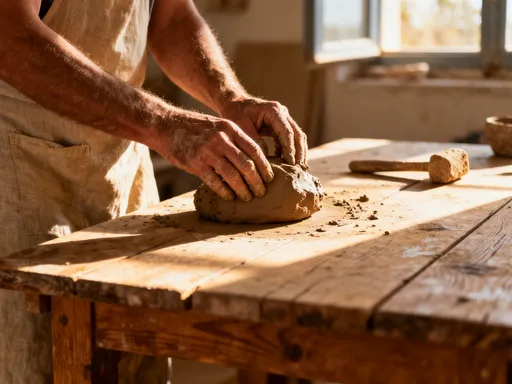
Away from the clamor of Analakely, Antananarivo harbors quieter spaces where creativity unfolds in intimate settings. In the Andafiavaratra district, colonial-era buildings with peeling stucco and wrought-iron balconies have been repurposed into artisan ateliers and cultural cooperatives. These hidden courtyards, often marked only by a discreet sign or a hand-painted arrow, offer a slower pace of engagement. Here, visitors can watch a silk weaver in Ambohipo thread a loom with locally harvested landy (silk from wild silkworms), or observe a ceramicist shaping bowls from red highland clay.
These workshops provide ideal environments for photography—naturally lit, uncluttered, and rich in narrative detail. Sunlight streams through high windows, casting soft beams across worktables where tools rest mid-task. The absence of crowds allows for longer, more thoughtful interactions. A photographer can return to the same artisan over several days, building trust and capturing a fuller arc of creation. Such access is rarely advertised online; it is usually gained through local guides, cultural centers like the Centre d’Art, or word-of-mouth introductions from resident artists.
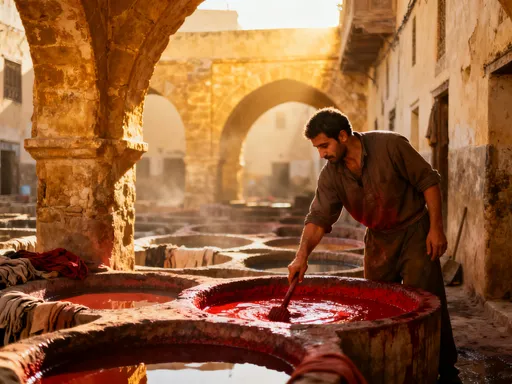
One such space in Andoharanofotsy hosts a cooperative of women who dye cotton using natural pigments—madder root for red, indigo for blue, and turmeric for gold. Their process is slow and deliberate, involving multiple dips and sun-drying cycles. Photographing this ritual reveals not just technique, but patience—a quality increasingly rare in fast-paced travel photography. The resulting images, whether of hands stirring a dye vat or cloth spread on grass like a painter’s palette, speak to sustainability, tradition, and quiet innovation. These hidden workshops remind us that Antananarivo’s creative pulse beats strongest not in the spotlight, but in the shadows of forgotten courtyards.
Negotiating Culture, Not Just Prices
Shopping in Antananarivo is rarely a transactional exchange; it is a social dance. Bargaining—known locally as mitady fihenjanana (seeking agreement)—is not aggressive haggling, but a gradual alignment of expectations. A vendor may quote a price twice the intended sale amount, not to deceive, but to open a conversation. The buyer responds not with rejection, but with a counteroffer that acknowledges the item’s value. A smile, a shared comment on the weather, or a compliment on craftsmanship can ease the negotiation, turning what might feel tense into a moment of connection.
For photographers, this ritual offers rich opportunities for authentic imagery. The exchange of goods and words creates natural expressions—laughter at a bold counteroffer, concentration as coins are counted, pride as a final agreement is sealed. Rather than capturing only the product, aim to include the interaction: hands passing fabric, eyes meeting across a table, a nod of mutual respect. These moments are often more compelling than any static product shot.
It is also essential to recognize that not every interaction should end in a sale. If you’ve taken photographs, offering a small token—such as purchasing a modest item or handing over printed photos later—can express gratitude. In some communities, this practice is deeply appreciated and reinforces ethical engagement. More than anything, the goal is reciprocity: not just taking images, but giving back in ways that honor the subject’s dignity and labor. When done with care, bargaining becomes not just an economic act, but a cultural exchange worth photographing.
From Market to Memory: Curating Your Visual Story
Once the camera is put away, the real work of storytelling begins. Antananarivo offers so many vivid moments that it’s easy to return home with hundreds of images, only to feel overwhelmed by their sheer volume. The key to meaningful curation is not selecting the sharpest or most colorful photo, but the one that carries emotional weight. Which image makes you remember the smell of dyed cotton in the sun? Which frame recalls the sound of a vendor’s laugh? These are the pictures that transcend documentation and become memory.
One effective method is to organize your collection thematically. Create albums around concepts like Hands at Work, Textiles in Motion, or Light and Shadow in the Market. Alternatively, arrange images chronologically to trace your journey from arrival to departure, highlighting how your perception of the city deepened over time. Include detail shots—a frayed edge of lamba, a tool resting on a bench, a footprint in dusty earth—alongside wider scenes to create rhythm and contrast.
Consider pairing select images with short reflections in a travel journal. A photo of a raffia weaver might be accompanied by a note about the time it takes to complete one basket, or a shot of a folded lamba could include a memory of the vendor who explained its ceremonial use. These annotations transform a visual archive into a narrative—one that honors both the subject and the experience. In the end, the most powerful photographs are not those that look perfect, but those that feel true.
Why This City Stays in Focus
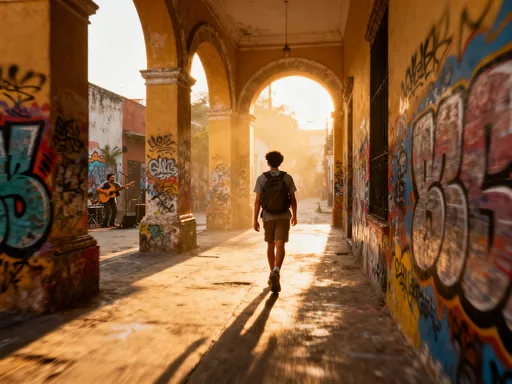
Antananarivo resists the polished aesthetic often associated with travel photography. There are no perfectly staged markets or choreographed cultural displays. Instead, the city reveals itself in fragments: a child balancing a basket on her head, a tailor stitching by hand beneath a flickering bulb, a patch of sunlight illuminating a faded mural. These moments are not composed for the lens—they exist independently, and their power lies in their authenticity. To photograph here is not to capture perfection, but to witness presence.
What lingers long after departure is not the number of photos taken, but the sense of connection they represent. Each image becomes a testament to a shared glance, a moment of understanding, a silent acknowledgment of another’s life. In a world where travel can sometimes feel transactional, Antananarivo invites a different approach—one where shopping is not consumption, but conversation, and photography is not extraction, but exchange.
For the thoughtful traveler and photographer, the city offers a profound lesson: that beauty resides not in the pristine, but in the lived. It is in the crooked smile of a vendor who let you take her picture, the wrinkle of sun-dried cloth on a wooden table, the golden hour spilling over rooftops like liquid amber. These are the frames that stay in focus—not because they are flawless, but because they are real. And in their imperfection, they offer something far more valuable: a glimpse into the beating heart of a culture that creates, endures, and shares, one thread at a time.