This Is Why Groningen’s Festival Vibes Are Pure Magic
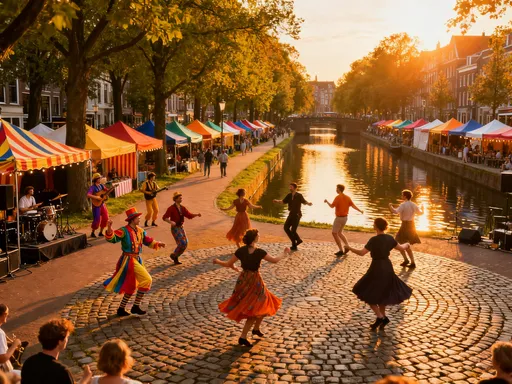
You know that feeling when a city just gets good energy? Groningen does festivals like nowhere else in the Netherlands. I went during summer, and honestly—colorful streets, music floating through canals, locals dancing in cobbled squares—it felt like stepping into a live music video. The festival culture here isn’t staged for tourists; it’s real, loud, and totally Instagram-worthy. From open-air gigs to quirky art parades, every corner pulses with creativity. If you’re after authentic European summer vibes, this is where you need to be. There’s a rhythm to the city that changes with the seasons, but never slows down. Whether it’s the warmth of golden-hour performances or the crisp buzz of winter music spilling from centuries-old churches, Groningen’s festival calendar reflects a deep love for connection, expression, and shared joy. This is not just a place to visit—it’s a place to feel alive.
The Heartbeat of a Student City: Why Festivals Thrive in Groningen
Groningen’s festival spirit doesn’t happen by accident. It’s rooted in the city’s identity as a thriving academic hub, home to both the University of Groningen and Hanze University of Applied Sciences. With over 70,000 students in a city of fewer than 240,000 residents, young energy dominates the streets, cafes, and cultural spaces. This youthful presence is not just numerical—it’s transformative. Students bring fresh ideas, international perspectives, and a fearless appetite for experimentation, all of which feed directly into the city’s dynamic festival scene.
The academic calendar plays a subtle but powerful role in shaping the rhythm of public life. As winter lifts, the city begins to stir. By late spring, anticipation builds. Students organize grassroots events, art collectives book pop-up performances, and local organizers finalize plans for the summer’s biggest gatherings. The atmosphere becomes charged with possibility. Unlike larger Dutch cities where commercial interests often shape cultural offerings, Groningen’s festivals retain a grassroots authenticity. They are not curated solely for economic gain but emerge from a genuine desire to celebrate, connect, and create.
Moreover, the international character of the student population adds a rich layer of diversity to the festival experience. You’ll hear languages from across Europe and beyond, taste food inspired by global traditions, and witness performance styles that blend Dutch minimalism with expressive forms from Scandinavia, Latin America, and Asia. This cultural mixing doesn’t dilute local identity—it enhances it. Groningen has learned how to be both proudly Dutch and cosmopolitan at once, and its festivals are a testament to that balance.
Equally important is the city’s long-standing support for public art and communal celebration. The municipal government actively invests in cultural infrastructure, offering grants to independent artists and reserving public spaces for open-access events. This encouragement fosters a sense of ownership among residents. People don’t just attend festivals—they help shape them. Whether it’s volunteering at a music stage, painting a mural for an art parade, or simply dancing in the square, participation is expected and celebrated. This inclusive mindset is what gives Groningen’s festival culture its warmth and authenticity.
Noorderzon: Where Theater Meets the Streets
If there’s one festival that captures the soul of Groningen’s creative energy, it’s Noorderzon Performing Arts Festival. Held annually in August, Noorderzon transforms the Noorderplantsoen, a leafy urban park just north of the city center, into a sprawling open-air theater district. For ten days, the park becomes a stage—literally and figuratively—where performance art, dance, circus acts, and experimental theater converge under the summer sky. The atmosphere is electric, yet relaxed, inviting families, couples, and solo wanderers to explore at their own pace.
Walking through Noorderzon feels like entering a living art installation. Colorful tents and geometric structures rise from the grass, each housing a different performance. Some are intimate, seating only a few dozen spectators on hay bales or wooden platforms. Others are grand, with elevated stages and professional lighting rigs that glow as dusk falls. The programming is intentionally eclectic—on any given evening, you might watch a Flemish mime troupe perform underwater-inspired movements, followed by a Brazilian drum ensemble leading a parade through the trees.
What makes Noorderzon truly special is its emphasis on interaction. Many performances break the fourth wall, inviting the audience to move, respond, or even join in. Children are not just tolerated—they are encouraged to play, ask questions, and explore behind the scenes. Artists often linger after shows, engaging in conversations with attendees. This accessibility demystifies the arts and makes them feel personal. For families, it’s an ideal introduction to contemporary performance. For seasoned culture lovers, it’s a chance to discover bold new voices.
The visual appeal of Noorderzon is undeniable. Photographers and content creators flock here for the golden-hour lighting, when the sun slants through the trees and illuminates the vibrant fabrics of the tents. The park’s natural beauty—mature oaks, winding pathways, and a central pond reflecting the sky—provides a serene backdrop to the creative chaos. Food trucks line the perimeter, offering everything from wood-fired pizza to vegan kofta, their neon signs flickering to life as night falls. The scent of grilled vegetables and spiced tea mingles with the sound of laughter and live music, creating a sensory experience that lingers long after the festival ends.
Groningen in Full Bloom: Parkpop and the Sound of Summer
When it comes to sheer scale and crowd energy, few events in the Netherlands rival Parkpop. Held each July in the lush Oosterpark, this free music festival draws over 100,000 visitors across a single weekend. It’s one of the largest open-air pop events in the country, and its reputation for inclusivity and high-quality performances continues to grow. Unlike ticketed festivals that can feel exclusive, Parkpop is open to all—families spread picnic blankets, teenagers dance with friends, and older couples sway to nostalgic hits, all united by the power of music.
The lineup is carefully curated to reflect a broad spectrum of tastes. International acts often share the stage with beloved Dutch artists, creating a dynamic blend of languages and genres. In recent years, performers have included British indie bands, French chanson singers, and Dutch hip-hop collectives. The main stage, positioned at the park’s southern edge, offers panoramic views of the audience and the surrounding greenery. As the sun sets behind the trees, the stage lights blaze to life, casting a warm glow over the crowd. It’s during these twilight hours that the magic truly unfolds—thousands of people singing in unison, hands raised, faces lit by phone screens and fairy lights.
For visitors, Parkpop offers more than just music. The park itself becomes a festival village, with food stalls, craft vendors, and relaxation zones scattered throughout. Flower-lined pathways guide attendees from one stage to another, while shaded seating areas provide refuge from the midday sun. The atmosphere is festive but never overwhelming. Security is present but unobtrusive, and volunteers in bright vests help keep everything running smoothly. Families appreciate the dedicated kids’ zone, where face painting, storytelling, and mini-concerts keep younger guests entertained.
Photography enthusiasts will find endless inspiration here. The contrast between natural beauty and urban celebration creates compelling compositions—the curve of a willow tree framing a singer on stage, a child dancing with a balloon in front of a graffiti-covered sound booth, or a couple sharing a quiet moment on a bench as music pulses in the background. Social media thrives on these authentic, unposed moments. Parkpop doesn’t feel manufactured; it feels lived-in, joyful, and deeply human.
Eurosonic Noorderslag: A Music Lover’s Hidden Gem
While most European cities wind down in January, Groningen comes alive with the sound of new music. Eurosonic Noorderslag, held every January, transforms the city into a pan-European music hub. What began as a small showcase for Dutch talent has evolved into one of the continent’s most influential music festivals, attracting industry professionals, journalists, and fans from over 30 countries. The event serves a dual purpose: a public celebration of emerging artists and a professional platform for music discovery.
The festival’s format is unique. Instead of one central venue, performances take place across more than 30 locations in the city center—historic churches, underground clubs, concert halls, and even repurposed warehouses. This decentralized model encourages exploration. Visitors receive a program guide and map, then set off on foot to catch as many acts as possible in a single night. The compact nature of Groningen makes this not only feasible but delightful. You might watch a Finnish folk band in a 17th-century church, then walk five minutes to see a Portuguese electronic duo in a converted cinema.
The winter setting adds a layer of enchantment. Snow-dusted rooftops, frost-covered canals, and the warm glow of streetlamps create a storybook atmosphere. Venues are decorated with string lights and cozy textiles, offering a contrast to the cold outside. Inside, the energy is electric. Audiences are attentive, often standing shoulder to shoulder in intimate spaces. Artists, many of whom are performing outside their home countries for the first time, feed off the enthusiasm. The sense of discovery is palpable—this is where tomorrow’s stars are being heard today.
For those interested in the business side of music, Noorderslag includes conferences, workshops, and networking events. Panels discuss trends in streaming, artist development, and sustainable touring. These sessions are open to the public, making the festival not just entertaining but educational. Whether you’re a music professional or a passionate fan, Eurosonic Noorderslag offers a rare opportunity to go behind the scenes and understand how new music travels across borders.
Street Art & Spontaneity: The Unplanned Festival Moments
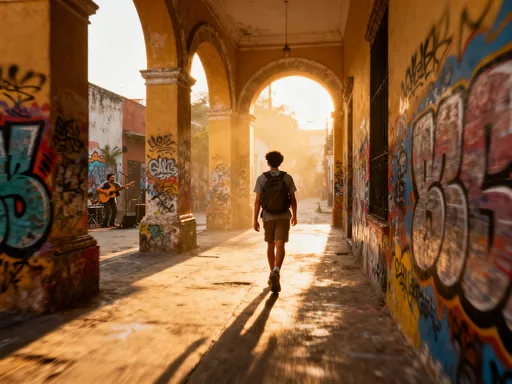
While the official festivals are major draws, some of the most memorable experiences in Groningen happen in the spaces between. The city’s compact, car-free center is a playground for spontaneous creativity. On any given weekend, you might stumble upon a pop-up graffiti jam in the Poelestraat, where local artists collaborate on a large-scale mural. Or you might hear the strum of a guitar from a bridge over the Boterdiep canal, where a student busker performs original songs to a small but appreciative audience.
These unplanned moments are not accidents—they are symptoms of a culture that values expression and public space. The city government supports street art through designated zones and annual festivals, but it also allows room for organic growth. You’ll find painted shutters, stenciled poems on sidewalks, and whimsical sculptures tucked into alleyways. This ever-changing canvas keeps the city feeling fresh and alive.
The canals, lined with bicycles and window boxes bursting with geraniums, serve as natural backdrops for impromptu gatherings. On warm evenings, groups of friends gather with wine and snacks, turning quiet corners into lively social hubs. Sometimes, someone pulls out a portable speaker, and a spontaneous dance party begins. These moments are not advertised or scheduled—they simply happen, fueled by good weather, good company, and a shared love for the city.
For visitors, embracing this spontaneity is key to experiencing Groningen like a local. Instead of following a rigid itinerary, allow time to wander. Take a wrong turn down a narrow lane and see where it leads. Sit on a bench and observe the flow of daily life. These small detours often lead to the most authentic memories. The city rewards curiosity, and its charm lies as much in its surprises as in its planned events.
Eat, Snap, Repeat: Festival Food with Flair
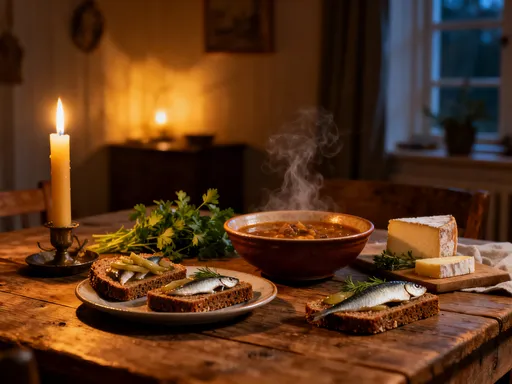
No festival experience is complete without great food, and Groningen delivers with flair. The city’s culinary scene during festival season is a vibrant mix of tradition and innovation. Food trucks, a staple at every major event, offer creative takes on Dutch classics. Imagine herring served in soft tacos with pickled onions and dill yogurt, or stroopwafels pressed between waffle irons and topped with banana and sea salt. These playful twists appeal to both locals and visitors, making them ideal for social media sharing.
At Parkpop and Noorderzon, the food zones are designed to be as visually engaging as the stages. Trucks are brightly painted, some shaped like retro diners or circus wagons. Neon signs advertise vegan bitterballen, truffle fries, and craft beer flights. Outdoor seating areas are bustling with activity—people laughing over shared plates, children licking ice cream cones, couples toasting with local cider. The presentation is intentional: colorful plates, wooden serving boards, and fresh herbs make every meal photogenic.
Beyond the festivals, Groningen’s weekly markets offer another taste of local flavor. The Friday market on Grote Markt is a favorite among residents, featuring organic produce, artisanal cheeses, and handmade pastries. Vegan and vegetarian options are plentiful, reflecting the city’s progressive values. Food trucks from the festivals often set up here too, giving visitors a second chance to try their favorites.
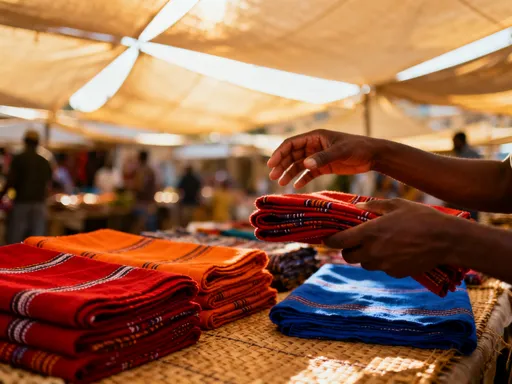
For those looking to bring a piece of Groningen home, many vendors sell packaged goods—homemade spice blends, small-batch preserves, and locally roasted coffee. These make thoughtful souvenirs or gifts. The emphasis on quality, sustainability, and creativity in the city’s food culture mirrors its approach to festivals: joyful, inclusive, and deeply rooted in community.
How to Experience It Like a Local: Practical Tips for Visitors
To truly appreciate Groningen’s festival culture, timing and preparation matter. The peak season runs from June to September, when the weather is warmest and the city hosts its largest events. Noorderzon in August and Parkpop in July are unmissable, but even quieter months offer charm. January’s Eurosonic Noorderslag provides a unique winter experience, with cozy indoor venues and a vibrant international crowd.
For photography, aim for golden hour—the hour after sunrise and before sunset—when the light is soft and warm. Oosterpark and the canals around Grote Markt offer ideal backdrops. Early mornings are especially peaceful, with mist rising off the water and few tourists around. This is when the city feels most intimate and authentic.
Getting around is easy. Groningen is one of the most bike-friendly cities in Europe, with over 200 kilometers of dedicated cycling paths. Renting a bike is an excellent way to explore at your own pace. The city center is compact and largely car-free, making walking another pleasant option. Public transport is reliable, with frequent buses connecting the outskirts to the center.
Accommodation ranges from boutique B&Bs in historic buildings to design-focused hostels popular with young travelers. Staying near Grote Markt or the train station puts you within easy reach of festivals and dining. Book early during peak season, as rooms fill quickly.
Packing smart enhances the experience. Even in summer, evenings can be cool, so bring layers. A lightweight rain jacket is always useful. Charge your camera or phone each night—there will be countless photo opportunities. Download the official Groningen City App, which includes real-time event schedules, maps, and public transport updates. Finally, embrace the local pace: slow down, engage with people, and allow room for spontaneity. The best moments often come when you’re not looking for them.
Groningen doesn’t just host festivals—it lives them. Its blend of youthful energy, artistic freedom, and intimate urban design creates experiences that feel both grand and personal. Whether you’re capturing golden-hour performances or joining a midnight singalong, the city rewards those who wander with curiosity. This is festival culture at its most authentic—and undeniably worth sharing.