What I Learned at Chichen Itza That Changed How I Travel
Standing under the blazing Yucatán sun, I stared up at El Castillo and felt something shift. This wasn’t just another ancient ruin—it was a living story. Chichen Itza isn’t only about stones and steps; it’s about culture, rhythm, and connection. I went for the photos but stayed for the meaning. What I discovered changed how I see every destination. The warmth of the limestone beneath my fingertips, the echo of footsteps on centuries-old slabs, and the quiet reverence of a local family placing flowers near the Temple of the Warriors—all reminded me that travel is not merely movement from place to place, but an invitation to listen, learn, and belong, even if only for a moment. This experience reshaped my entire approach to exploring the world.
First Impressions: The Moment I Entered Chichen Itza
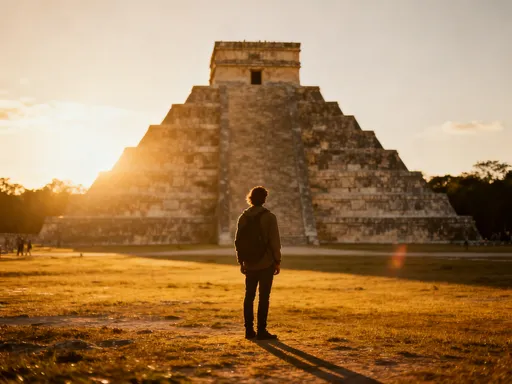
The morning air in the Yucatán Peninsula carries a unique weight—humid, golden, and alive with the promise of discovery. I arrived at Chichen Itza just before 8 a.m., when the gates first opened, eager to avoid the midday rush and the punishing afternoon heat. As I passed through the entrance, the first full view of El Castillo unfolded in the distance, rising from the flat green landscape like a sentinel of time. The pyramid stood bathed in soft sunlight, its layered terraces casting crisp shadows that emphasized its precise geometry. Around me, a steady but manageable stream of visitors moved along the central path, some pausing to adjust their hats, others already lifting cameras to capture the moment. The atmosphere was not chaotic, but charged with quiet anticipation.
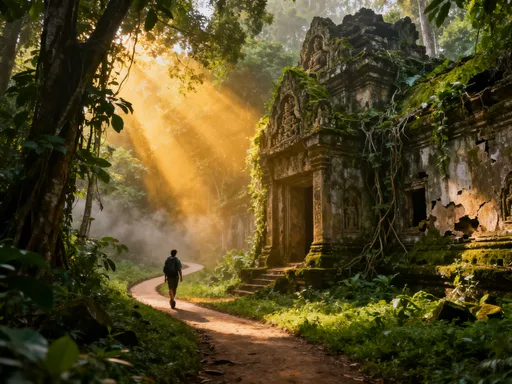
Temperature already hovered near 85 degrees Fahrenheit, and the sun climbed steadily. Yet the early hour granted a rare clarity—both visual and emotional. Without the press of midday crowds, I could walk at my own pace, absorbing the scale and silence of the site. The path leading toward the Great Ball Court curved slightly, revealing new perspectives with each step. I noticed how the surrounding jungle seemed to embrace the ruins, vines clinging gently to stone without overtaking them. This balance between nature and architecture struck me immediately: Chichen Itza was not a place frozen in time, but one in continuous dialogue with its environment.
When I finally stood directly before El Castillo, I felt a stillness settle over me. This was not awe born of size alone—though the pyramid is undeniably imposing—but of presence. Knowing that this structure aligns with celestial events, that its design encodes astronomical knowledge, gave it a dimension beyond aesthetics. I crouched to touch the base of the staircase, feeling the warmth of the sun-baked stone. In that moment, I wasn’t just a tourist checking off a bucket list item. I was a guest in a place that once pulsed with ritual, governance, and daily life. That shift in perspective, subtle but profound, marked the beginning of a deeper kind of travel for me—one rooted not in consumption, but in connection.
Beyond the Postcard: Seeing the Culture Behind the Ruins
It’s easy to view Chichen Itza through the lens of a photograph: a symmetrical pyramid, dramatic shadows, a postcard-perfect silhouette. But the true richness of the site lies beneath the surface, in the intentional design that reflects the Maya people’s deep understanding of cosmology, mathematics, and spiritual life. One of the most striking examples is the equinox phenomenon, when the setting sun casts a shadow on El Castillo that resembles a serpent slithering down the staircase. This effect, achieved through precise architectural alignment, symbolizes the descent of Kukulcán, the feathered serpent deity. Far from being a coincidence, it demonstrates how the Maya wove celestial observation into sacred architecture, marking time and honoring the cycles of nature.
Equally powerful is the Great Ball Court, the largest of its kind in Mesoamerica. As I walked between its towering walls, I learned from an on-site guide that a whisper spoken at one end can be clearly heard at the other, nearly 500 feet away. This acoustic marvel wasn’t merely an engineering feat—it held ritual significance. The ballgame played here was more than sport; it was a symbolic reenactment of cosmic struggle, possibly linked to themes of life, death, and renewal. Hearing this transformed my understanding. The court was not just a field of play but a stage for spiritual narrative, where physical action mirrored metaphysical belief.
Throughout the site, information panels and knowledgeable guides offered context that elevated the experience from sightseeing to learning. I remember pausing at the Temple of the Warriors, where columns carved with warrior figures stand in rows. A guide explained how these figures may represent ancestral guardians or deified leaders, their presence signifying protection and continuity. This kind of interpretation helped me see the ruins not as silent relics, but as storytellers. Each structure, carving, and alignment spoke of a civilization that valued harmony between the human and divine, the earthly and celestial. By engaging with these layers of meaning, I began to travel not just with my eyes, but with my mind and heart.
Timing Is Everything: Why I Chose Early Morning—and Why It Mattered
One of the most practical yet transformative decisions I made was arriving at Chichen Itza at opening time. Many visitors opt for midday visits, often arriving by tour bus between 10 a.m. and noon, when temperatures peak and crowds surge. By contrast, my early arrival allowed me to explore the site during its most serene hours. The difference was immediate: fewer people, softer light, and a sense of intimacy with the ruins that would have been impossible later in the day. I began at El Castillo, then moved to the Sacred Cenote, the ball court, and the Observatory, covering the key sites before the main wave of tourists arrived.
The impact on my experience was significant. Without constant streams of people blocking views or gathering for photos, I could stand in one place and simply observe. I watched sunlight move across the pyramid’s steps, illuminating different carvings as the angle shifted. I sat on a shaded bench near the Platform of Venus and journaled, something I wouldn’t have attempted in a crowded, noisy environment. The mental space I gained was just as valuable as the physical access. Travel can be exhausting when it feels like a race against time and other visitors. By prioritizing timing, I turned my visit into a reflective journey rather than a logistical challenge.
Photography also benefited immensely. The morning light, low and golden, enhanced textures and depth, making stone carvings more vivid and shadows more dramatic. I captured images that felt authentic, not rushed or obstructed. But beyond photos, arriving early deepened my emotional presence. I wasn’t distracted by crowds or heat; I was fully engaged with the place. I could hear the rustle of leaves, the distant call of a bird, the soft murmur of a guide explaining history to a small group. These sensory details grounded me in the moment, reminding me that travel is not just about where you go, but how you experience it. Timing, I realized, is not just a detail—it’s a mindset that prioritizes quality over convenience.
The Local Side: Connecting with Culture Outside the Archaeological Zone
While the ruins of Chichen Itza are the main attraction, some of my most meaningful moments occurred just beyond the official entrance. Along the access road, local vendors set up small stalls offering handmade crafts, traditional snacks, and cool drinks. I stopped at one stand where a woman in a colorful huipil blouse sold woven bracelets and miniature replicas of Maya glyphs. She spoke limited English, but we communicated through gestures and smiles. When I bought a bracelet, she explained, through a few shared words, that each symbol represented a natural element—water, corn, the sun. That simple exchange transformed the bracelet from a souvenir into a story, a tangible connection to the culture I had been exploring.
I also noticed that not all visitors were tourists. Local families—parents with children, elders walking slowly with canes—came to the site, often dressed in everyday clothes rather than tourist attire. They moved with a quiet respect, pausing at temples, whispering prayers, or simply sitting in contemplation. Seeing them reminded me that Chichen Itza is not just a monument of the past, but a living part of cultural identity for present-day Maya communities. Their presence added depth and authenticity to the experience, grounding the ancient site in contemporary life.
Supporting these local vendors felt like a small but important act of ethical travel. Every purchase contributed directly to a family’s income, bypassing large tour operators or souvenir chains. I chose to buy snacks like marquesitas, a crispy rolled crepe filled with cheese and sweet condiments, from a small stand rather than a packaged meal from a tourist kiosk. These choices may seem minor, but they reflect a larger principle: travel should benefit the people who call a place home. By engaging with the community beyond the ticketed entrance, I gained a fuller picture of Yucatán life—one that honored both heritage and humanity.
What They Don’t Tell You: Practical Lessons from My Visit
Even the most thoughtful traveler can overlook the small details that make a big difference in comfort and enjoyment. My visit to Chichen Itza taught me that preparation is just as important as curiosity. One of the most essential items I brought was a refillable water bottle. The site has water refill stations, but they are spaced apart, and dehydration can set in quickly under the tropical sun. Drinking water regularly—not just when thirsty—helped me maintain energy and focus throughout the morning. I also wore a wide-brimmed hat and applied eco-friendly sunscreen, both of which protected me from sun exposure without harming the environment.
Navigation was another key factor. The site is expansive, covering over four square miles, and without a plan, it’s easy to miss major attractions or waste time backtracking. I picked up an official map at the entrance and marked the three sites I most wanted to see: El Castillo, the Great Ball Court, and the Observatory. Sticking to this loose itinerary helped me use my time wisely. I also avoided engaging with unofficial guides who approached me near the entrance. While some may be knowledgeable, others provide inaccurate information or expect payment without clear agreement. Relying on official resources ensured I received accurate, respectful interpretations of the site.
Finally, I paid attention to practical amenities. Knowing where restrooms and shaded areas were located allowed me to plan breaks and stay comfortable. I found that sitting under a palapa shelter near the Temple of the Jaguars gave me a cool place to rest and reflect. These small comforts—access to water, shade, and accurate information—might not make headlines, but they significantly enhance the quality of a visit. Travel is as much about physical well-being as it is about cultural enrichment, and attending to both leads to a more balanced, sustainable experience.
Myth vs. Reality: Separating Hype from Genuine Experience
In the age of social media and spiritual tourism, Chichen Itza is often described in mystical terms—called an “energy vortex,” a “portal to other dimensions,” or a place of supernatural power. While I don’t dismiss the personal meaning individuals may find in such beliefs, I believe it’s important to honor the site for what it truly is: a remarkable achievement of human civilization. The Maya did not build Chichen Itza as a mystical playground for modern visitors, but as a center of governance, astronomy, and religious life. Reducing it to a backdrop for spiritual clichés risks overshadowing its historical and cultural significance.
That said, I don’t deny that the site evokes a powerful sense of presence. Standing at the base of El Castillo at dawn, feeling the stillness before the crowds arrive, I understood why some speak of energy. But I interpret this not as supernatural, but as the cumulative resonance of centuries—of footsteps, ceremonies, and stories embedded in the stones. It’s a reminder that places can hold memory, not through magic, but through the depth of human experience. Encouraging curiosity is vital, but it should be paired with respect and accurate understanding.
I also observed tourists performing rituals or taking photos in ways that felt disrespectful—climbing on restricted areas, turning sacred spaces into selfie backdrops, or treating carvings as props. These actions, even if well-intentioned, can contribute to wear and cultural erosion. Instead, I advocate for a travel ethic rooted in humility: ask questions, listen to guides, follow rules, and reflect on the privilege of being a visitor. Chichen Itza deserves more than romanticized myths; it deserves thoughtful engagement. By separating hype from history, we honor both the past and the people who carry its legacy forward.
How Chichen Itza Redefined My Travel Mindset
Before visiting Chichen Itza, my approach to travel leaned toward efficiency—maximizing sights, ticking off landmarks, capturing the perfect photo. This trip changed that. I left not with a checklist, but with a new philosophy: travel as a practice of presence, respect, and reciprocity. I no longer see destinations as objects to consume, but as living cultures to engage with mindfully. This shift has influenced how I plan every journey since. I now research local customs before I go, prioritize off-peak hours, and seek out community-based experiences that support local economies.
The lessons from Chichen Itza extend far beyond one site. They remind me that every destination has layers—historical, cultural, ecological—that deserve time and attention. Slowing down allows for deeper understanding. Asking questions fosters connection. And traveling with intention ensures that my presence leaves a positive impact, however small. I now view travel not as an escape, but as an opportunity to grow—intellectually, emotionally, and ethically.
Even months later, I find myself reflecting on that morning at El Castillo. The heat, the light, the silence before the world woke up—it stays with me. Not because it was exotic or extraordinary in the conventional sense, but because it was real. It reminded me that the most meaningful journeys are not measured in miles, but in moments of understanding. Chichen Itza did not just show me an ancient city; it taught me how to see. And that, more than any photo or souvenir, is the true gift of travel.