You Won’t Believe What Hidden Gems Trinidad, Cuba Keeps Under Wraps
Nestled on Cuba’s southern coast, Trinidad feels like stepping into a living museum—colorful colonial buildings, cobbled streets, and rhythms of salsa in the air. But beyond the postcard views lies something even more captivating: its specialty products. From hand-rolled cigars aged in family cellars to honey harvested from untouched highland hives, I was blown away by how much authenticity thrives here. This isn’t just tourism—it’s real craftsmanship passed down for generations. The city’s UNESCO World Heritage status protects more than architecture; it safeguards a way of life where tradition and artistry remain central. What makes Trinidad truly special isn’t just its preserved past, but how that past continues to shape the present in tangible, sensory ways. In a world of mass production, this town offers something rare: the handmade, the heartfelt, and the deeply rooted.
The Soul of Trinidad: Where Time Stands Still
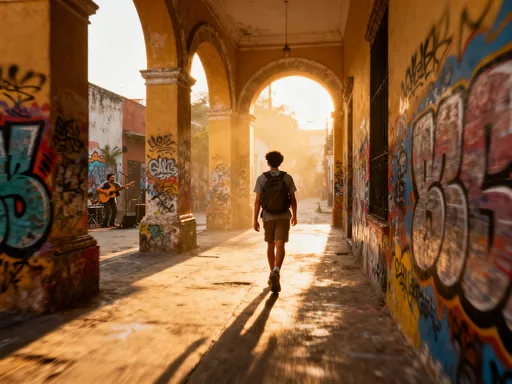
Walking through Trinidad is like turning the pages of a centuries-old storybook where time has paused, but life continues to unfold. Founded in 1514, it is one of the best-preserved colonial cities in the Caribbean, earning its UNESCO World Heritage designation in 1988. The cobblestone streets, worn smooth by centuries of footsteps and horse-drawn carriages, wind through a labyrinth of pastel-hued homes with ornate wooden balconies and heavy, iron-studded doors. Every corner reveals architectural details that speak of a bygone era—tile roofs, wrought-iron grilles, and inner courtyards lush with tropical plants and the occasional fountain.
The atmosphere is one of gentle continuity. Elderly residents sit on doorsteps fanning themselves in the afternoon heat, children play soccer in the plazas, and music drifts from open windows—sometimes a lone guitar, sometimes a full son ensemble. There is no rush, no blaring horns or digital billboards. Instead, the city moves at a rhythm set by the sun and the tide. This deliberate pace isn’t just charming; it’s essential to the survival of the traditions that flourish here. When time isn’t measured in minutes but in generations, craftsmanship becomes a way of life rather than a side hustle.
Trinidad’s isolation from major industrial development has helped preserve its character. Unlike larger Cuban cities, it hasn’t been reshaped by waves of modernization or international chain stores. The absence of large-scale commercialism means that local artisans aren’t pressured to produce for volume. Instead, they work at their own pace, using methods passed down from grandparents. This environment allows authenticity to thrive. Whether it’s a carpenter carving a chair by hand or a woman weaving baskets from palm fronds, the skills seen in Trinidad are not performances for tourists—they are real, daily practices that sustain families and define identity.
Cigars That Tell a Story: More Than Just Smoke
No symbol is more iconic of Cuba than the hand-rolled cigar, and in Trinidad, this tradition is alive in its most intimate form. While international brands dominate global markets, the real magic happens in small, family-run tobacco operations just outside the city. These are not factories but homes where generations of knowledge are shared over dinner tables and in backyard drying sheds. Here, tobacco is grown with care, harvested at the perfect moment, and cured slowly in natural conditions—no artificial heat, no shortcuts.
The process begins in the fertile soil of the Valle de los Ingenios, where the climate and elevation create ideal conditions for growing high-quality tobacco. Farmers plant seedlings by hand, nurture them through the rainy season, and harvest the broad leaves one by one when they reach maturity. After harvesting, the leaves are hung in shaded drying huts called secaderos, where they cure for several weeks. This slow drying process is crucial—it allows enzymes to break down harsh compounds, resulting in a smoother, more aromatic leaf.
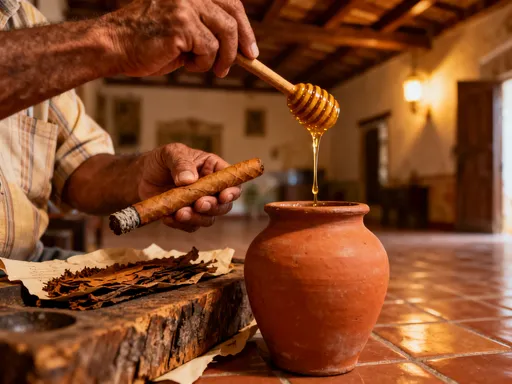
Once cured, the leaves are sorted by color, texture, and strength. The finest are reserved for rolling, a skill that takes years to master. In a casita del tabaco, or small tobacco house, you’ll find artisans seated at long wooden tables, their hands moving with quiet precision. They select three types of leaves: the capote (wrapper), the capa (binder), and the tripa (filler), each contributing to the cigar’s final character. The rolling is done entirely by hand, with no machines involved. A skilled roller can produce 100 to 150 cigars in a single day, but each one is unique—shaped by the subtle variations in leaf and the artisan’s touch.
After rolling, the cigars are stored in cedar boxes in cool, dark cellars beneath family homes. Cedar is prized not only for its aroma but for its ability to regulate humidity and enhance flavor over time. Many families label their batches with notes—harvest date, leaf origin, even personal dedications. These are not commodities; they are heirlooms. Visitors lucky enough to be invited into a home might be offered a cigar from a private reserve, shared with pride and a story. This is tobacco not as a product, but as a legacy.
Guajiro Honey: Nature’s Golden Secret from the Mountains
Just a short journey inland from Trinidad, the Escambray Mountains rise like a green fortress, shielding one of Cuba’s best-kept natural treasures: artisanal honey produced by small-scale beekeepers known as guajiros. These farmers, often working on family plots, maintain hives in remote highland clearings where wildflowers bloom year-round. The isolation of these areas means minimal pollution and no monoculture farming, creating ideal conditions for pure, diverse nectar sources.
What sets miel guajira apart is its variety and complexity. Unlike commercial honey, which is often blended and filtered to create a uniform product, this honey is single-origin and unheated. Each batch reflects the season and location of the hives. In spring, when orange blossoms cover the hillsides, the honey carries a bright, citrusy aroma with a delicate floral finish. In drier months, bees forage on wild thyme, producing a darker, more robust honey with herbal notes and a slight peppery warmth. Other varieties include avocado blossom and eucalyptus, each with its own distinct profile.
The beekeepers use traditional, sustainable methods. Hives are made from local wood, and harvesting is done manually, often at dawn when bees are least active. They take only what the colony can spare, ensuring the hive remains strong. The honey is strained through cloth to remove debris but never pasteurized, preserving its natural enzymes, pollen, and flavor. This commitment to purity means the honey crystallizes faster than store-bought versions—a sign of authenticity, not spoilage.
Many families sell their honey at roadside stands or local markets, often in reused glass jars with handwritten labels. Tasting it is a revelation: rich, velvety, and layered, with a depth that mass-produced honey simply cannot match. Beyond flavor, locals value it for its health benefits—used in teas to soothe sore throats or applied topically for minor skin irritations. For visitors, taking home a jar is more than a souvenir; it’s a taste of untouched nature and a direct support of rural livelihoods.
Pottery with Roots: Clay, Fire, and Generations of Hands
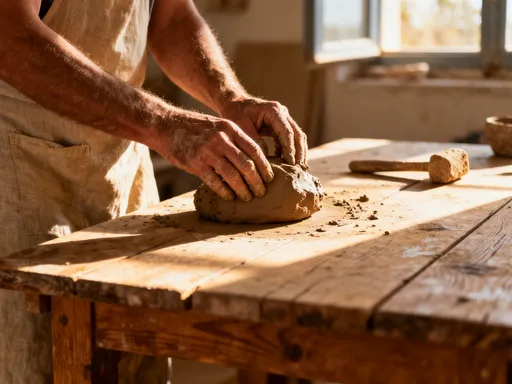
In the quiet villages surrounding Trinidad, such as Caracoles and San Pedro, the art of pottery remains a living tradition. Here, clay is not just a material—it is memory. Potters work with earth dug from nearby riverbanks, mixing it with water and sometimes sand to achieve the right consistency. The process begins with shaping, done either on simple kick wheels or entirely by hand using coiling techniques that have not changed in centuries.
The forms they create are both functional and symbolic. Everyday items like bowls, plates, and cooking pots are made for use in Cuban homes, where food is often served in clay vessels that retain heat beautifully. But the most distinctive piece is the botija—a large, bulbous water cooler with a narrow neck and wide base. Traditionally unglazed, it allows water to seep slowly through the porous clay, cooling it by evaporation. In a country where air conditioning is still a luxury, the botija remains a practical and elegant solution.
Decoration is subtle but meaningful. Some potters etch geometric patterns inspired by Taíno designs—the indigenous people who once inhabited the island. Others paint with natural pigments made from crushed minerals and plants, using ochre for red, charcoal for black, and clay itself for white. Motifs often reflect rural life: sugarcane fields, palm trees, or animals like roosters and horses. These are not random decorations; they are visual stories of identity and place.
Firing takes place in wood-burning kilns, often built into hillsides to control airflow. The process is slow and requires constant attention—too much heat can crack the pieces, too little leaves them fragile. After firing, the pottery is inspected, and only the strongest pieces are sold. Workshops are usually family-run, with children learning by watching and helping. In San Pedro, one artisan explained that his great-grandfather made pots the same way, using the same clay bed. This continuity is not romanticized; it is simply how things have always been done. To buy a piece from such a studio is to become part of that lineage, even if only by holding a cup that has absorbed generations of skill.
Rum with Character: Not Your Average Caribbean Spirit
Cuba is famous for its rum, but in Trinidad, the spirit is not just a drink—it is a craft. While international brands like Havana Club dominate export markets, the real depth of Cuban rum culture lies in small, family-operated distilleries tucked into the countryside. These are not tourist attractions with polished tours, but working farms where sugarcane is grown, crushed, fermented, and distilled in small batches using methods refined over decades.
The process begins with fresh sugarcane, cut by hand and pressed within hours to preserve sweetness. The juice is boiled into molasses, then fermented with natural yeasts present in the air—no commercial starters. This wild fermentation gives each batch a unique character, influenced by temperature, humidity, and even the season. The liquid is then distilled in copper pot stills, often repurposed or hand-assembled, producing a clear, potent spirit known as aguardiente.
What transforms this into true rum is aging. In Trinidad’s rural distilleries, barrels are made from local hardwoods or repurposed American oak, previously used for whiskey or wine. The rum is stored in cool, shaded bodegas, where it slowly develops complexity. Unlike mass-produced rums that are aged briefly and blended for consistency, these small-batch versions are aged for years and bottled as-is—no additives, no coloring, no dilution. The result is a spirit with depth: notes of caramel, vanilla, and smoke, with a smooth, lingering finish.
Some families keep private reserves, opening bottles only for special occasions or honored guests. In a bodega familiar, visitors might be invited to taste a 10-year-old rum poured from a dusty bottle with a handwritten label. The experience is intimate, almost ceremonial. There are no fancy cocktails—just a small glass, shared with stories of harvests, hurricanes, and family milestones. This is rum not as a commodity, but as a keeper of memory. For those who appreciate craft and authenticity, it is one of the most profound experiences Trinidad has to offer.
Where to Find These Treasures: Markets, Workshops, and Word of Mouth
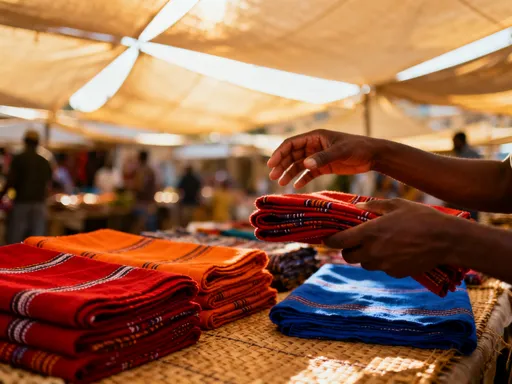
For travelers seeking authentic specialty products, the key is knowing where—and how—to look. The most accessible starting point is the artisan market near Plaza Mayor, where local vendors display handmade cigars, honey, pottery, and rum. While convenient, it’s important to engage thoughtfully. Ask questions: Where was this made? Who made it? How long have they been doing this? Many vendors are happy to share stories, and those who can’t provide details may be reselling mass-produced items.
For deeper authenticity, venture beyond the city center. Rural cooperatives in the Escambray foothills often welcome visitors to see beekeeping in action or purchase honey directly from the keeper. In Caracoles, potters open their workshops to curious guests, demonstrating techniques and allowing visitors to try their hand at shaping clay. These encounters are rarely advertised; they happen through word of mouth, local guides, or simply knocking on a door with a sign that reads Artesanía.
When it comes to cigars and rum, the most genuine experiences are often found in private homes. Some families offer tastings by arrangement, especially if introduced by a trusted local. These are not commercial tours but personal invitations, rooted in Cuban hospitality. Respect is essential: arrive with curiosity, not entitlement. Bring a small gift if possible—a book, a snack, or something from your home country. These gestures build trust and open doors that no guidebook can.
Identifying genuine products requires attention to detail. Hand-rolled cigars should feel firm but slightly springy, with even seams and a consistent wrapper color. Real miel guajira will crystallize over time and vary in color and texture by season. Authentic pottery bears the marks of handcrafting—slight asymmetries, visible tool marks, natural pigment variations. And small-batch rum will list no added sugar or artificial coloring on the label—though many family bottles have no label at all. The imperfections are the proof.
Why These Specialty Products Matter: Culture, Economy, and Identity
Beneath the surface of every handmade cigar, jar of honey, or clay pot lies a deeper significance. These products are not just crafts; they are acts of cultural preservation. In a globalized world where traditions often fade under pressure to modernize, Trinidad’s artisans continue their work not for fame or profit, but because it is who they are. Their skills are not taught in schools but at kitchen tables, in fields, and beside kilns. To lose these practices would be to lose a vital thread of Cuban identity.
Economically, these small-scale productions provide crucial income for families in a country with limited resources. Tourism, when respectful and informed, can be a powerful force for good. Every purchase made directly from an artisan means money stays in the community, supporting education, healthcare, and home repairs. It also sends a message: that quality, authenticity, and tradition are valued. This encouragement can inspire younger generations to continue the work, rather than seek opportunities abroad.
Yet tourism can also threaten if not approached with care. Mass production for souvenir markets leads to imitation, not innovation. When crafts are reduced to clichés—oversized cigars, painted coconuts, generic trinkets—their meaning is lost. The challenge is to balance accessibility with integrity. Travelers have a role to play: to look beyond the surface, to ask questions, to listen. To treat artisans not as attractions but as people with knowledge worth honoring.
Supporting these traditions is not about nostalgia. It is about sustainability—of culture, of community, of skill. When you carry home a hand-rolled cigar, you’re not just taking a souvenir. You’re carrying a story, a flavor, a moment of connection. You’re saying that slow, careful, intentional work matters. In a world that often values speed over substance, Trinidad reminds us that some things are worth the wait.
Trinidad’s charm isn’t just in its beauty—it’s in the handmade, the homegrown, the stories poured into every product. These aren’t souvenirs; they’re legacies. By choosing to explore and support them, we don’t just visit Cuba—we connect with it.