You Won’t Believe What I Ate in Sintra
Sintra isn’t just about fairy-tale palaces and misty hills — it’s a hidden food paradise waiting to be tasted. I went searching for culture and stumbled into something deeper: soulful flavors passed down through generations. From buttery pastries to savory secrets tucked in village corners, every bite tells a story. This is more than dining — it’s cultural immersion on a plate. In a town where Romantic-era poets once wandered enchanted forests and kings built dreamlike retreats, the cuisine carries the same magic. Here, food is not an afterthought to sightseeing; it is the heartbeat of daily life, preserved through centuries of quiet tradition, family kitchens, and seasonal rhythms. To eat in Sintra is to taste history, one handmade pastry, one slow-simmered stew at a time.
The Magic of Sintra: Where Culture and Cuisine Collide
Sintra, nestled in the lush hills of Portugal’s Atlantic coast, is a place where nature and human imagination have conspired to create something extraordinary. Recognized as a UNESCO World Heritage site for its cultural landscape, the town is a tapestry of architectural wonders — from the Moorish Castle’s ancient stone ramparts to the whimsical spires of Pena Palace. Yet beyond the postcard views lies a quieter, deeper layer of heritage: its cuisine. The same forces that shaped Sintra’s buildings — centuries of cultural exchange, royal patronage, and geographic isolation — also nurtured a unique culinary identity. Perched above the fog line, with cool temperatures and rich soil, this mountainous region has long supported agriculture that differs sharply from the sunbaked plains of the Alentejo or the coastal abundance of the Algarve.
What makes Sintra’s food culture so special is its layered history. The Moors, who ruled parts of Portugal for centuries, introduced ingredients like almonds, citrus, and honey — all of which remain central to local sweets. Later, during the 15th and 16th centuries, Sintra became a favored summer retreat for Portuguese royalty, drawing nobles who brought their own chefs and dining customs. This royal influence elevated local cooking, encouraging refinement without erasing its rustic roots. Then, in the 19th century, Romanticism swept through Europe, and Sintra became a haven for poets, artists, and aristocrats who sought inspiration in its misty forests and dramatic vistas. These cultural waves didn’t just leave behind castles and poems — they shaped the way people cooked and ate.
Today, that legacy lives on in the village’s family-run bakeries, rustic taverns, and farm-to-table traditions. Dining in Sintra is not merely about sustenance; it’s an act of participation in a living cultural narrative. Every meal, whether a simple lunch of bread and cheese or an elaborate dinner of slow-cooked lamb, connects the diner to generations of cooks who valued flavor, seasonality, and community. In a world where fast food and globalized menus dominate, Sintra offers something rare: cuisine that is deeply rooted, intentionally preserved, and profoundly local. It is a place where food is not mass-produced, but handcrafted with care, often using recipes passed down from grandmother to granddaughter.
The Iconic Taste: Why Queijadas and Travesseiros Rule the Town
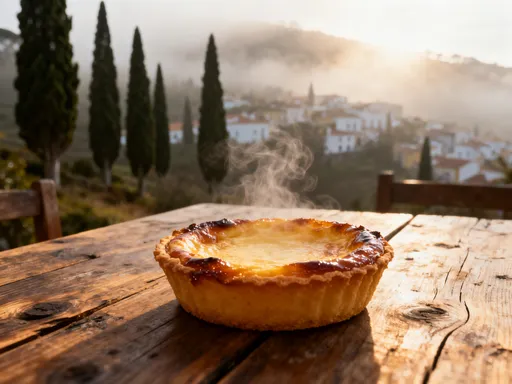
No visit to Sintra is complete without tasting its two most beloved pastries: the queijada and the travesseiro. These sweets are more than just treats — they are edible emblems of the town’s history, each with a story that stretches back to the 19th century. The queijada, a small, round tart with a golden crust and a creamy, slightly tangy filling, gets its name from the Portuguese word for cheese, “queijo.” But don’t be misled — while it does contain fresh cheese, its flavor is a delicate balance of sweet and savory, enriched with egg yolks, sugar, and a hint of cinnamon. The texture is crisp on the outside, soft and custard-like within, offering a sensory experience that lingers long after the last bite.
The origins of the queijada are believed to lie in the convents that once dotted Sintra’s hillsides. Like many of Portugal’s most famous sweets, it was likely created by nuns who used egg whites for clarifying wine or stiffening altar linens, leaving behind a surplus of yolks. Rather than waste them, the sisters developed rich, yolk-based desserts — a tradition that gave rise to countless regional pastries. Though the convents have long since closed, their recipes survived, passed down to local bakers who continue to make queijadas by hand, just as they did 150 years ago. One of the most famous spots to try them is a small pastry shop near the old market square, where trays emerge from wood-fired ovens each morning, still warm and glistening with a faint sheen of caramelized milk.
Equally iconic is the travesseiro, whose name means “pillow” — a fitting description for its soft, puffed layers of pastry wrapped around a sweet almond filling. Made with dozens of delicate sheets of dough, the travesseiro requires patience and precision, rolled and folded like a miniature strudel before being baked to golden perfection. The filling, a blend of ground almonds, sugar, lemon zest, and cinnamon, is fragrant and moist, offering a subtle bitterness that balances the sweetness. Like the queijada, the travesseiro traces its roots to conventual kitchens, where nuns transformed simple ingredients into something luxurious. Today, visitors can watch bakers prepare them in open kitchens, the rhythmic rolling of dough and folding of layers a quiet ritual performed with pride.
What makes these pastries more than just delicious is their role in daily life. Locals don’t reserve them for special occasions — they enjoy them with morning coffee, share them with guests, or pack them as gifts for friends in Lisbon. To eat a queijada or travesseiro is to participate in a tradition that values craftsmanship, continuity, and the simple joy of sharing food. In a world increasingly dominated by mass production, Sintra’s pastries stand as a testament to the enduring power of handmade heritage.
Beyond Sweets: Discovering Hearty Local Flavors
While Sintra’s pastries draw well-deserved attention, the town’s savory cuisine is equally rich and revealing of its cultural identity. Away from the tourist-lined streets, in small family-run taverns known as tascas, locals gather for meals that are hearty, seasonal, and deeply satisfying. One of the most cherished dishes is ensopado de borrego, a slow-cooked lamb stew that embodies the soul of Portuguese comfort food. Tender chunks of lamb are simmered for hours with onions, garlic, paprika, and a splash of red wine, resulting in a dish that is both rich and earthy. Served with crusty bread or boiled potatoes, it is the kind of meal that warms the body and comforts the spirit — especially on a cool, misty evening in the hills.
Another staple, carne de porco à alentejana, though named for the Alentejo region, has found a beloved place on Sintra’s menus. This surprising combination of tender pork cubes and plump clams may seem unusual at first, but the flavors harmonize beautifully — the brininess of the sea meeting the richness of the meat, all bound together with garlic, coriander, and a touch of chili. The dish reflects Portugal’s long-standing relationship with both land and sea, a culinary bridge between mountain and coast. In Sintra, it is often prepared in cast-iron pots over low heat, allowing the ingredients to meld slowly, releasing an aroma that draws diners from the street into the warmth of the dining room.
One memorable meal took place in a tucked-away tasca with checkered tablecloths and walls lined with vintage wine bottles. There was no English menu, only a chalkboard listing the prato do dia — that day’s special, which happened to be a rustic bean stew with smoked sausage and kale. The owner, a woman in her sixties with flour-dusted hands, explained the recipe as she poured glasses of house red from a glass carafe. The meal was served family-style, encouraging conversation and sharing. Laughter filled the room as neighbors greeted one another by name, children darted between tables, and plates were passed around without ceremony. It was clear that food here was not just about eating — it was about belonging.
These meals are not designed for Instagram aesthetics or quick consumption. They are meant to be lingered over, enjoyed slowly, and shared generously. In a culture where mealtimes are sacred, where lunch can stretch into three hours on a Sunday, food becomes a vehicle for connection. The ingredients may be humble — beans, potatoes, cured meats — but the care with which they are prepared elevates them into something profound. For travelers, experiencing these moments is a rare gift: a glimpse into a way of life that values presence, community, and the quiet dignity of a well-cooked meal.
Farm to Table, Centuries Before It Was Trendy
In recent years, the phrase “farm to table” has become a buzzword in modern gastronomy, celebrated as an innovative approach to sustainability and freshness. But in Sintra, this philosophy is not new — it is tradition. For generations, farmers, fishermen, and foragers have supplied local kitchens with ingredients that reflect the region’s unique microclimate. Nestled in a mountainous region cooled by Atlantic breezes, Sintra enjoys a temperate, moist environment that supports a diverse range of crops. This is not the dry, sun-scorched agriculture of southern Portugal, but a greener, more fertile landscape where mushrooms flourish in autumn woods, herbs grow wild on forest edges, and orchards yield fruits with exceptional flavor.
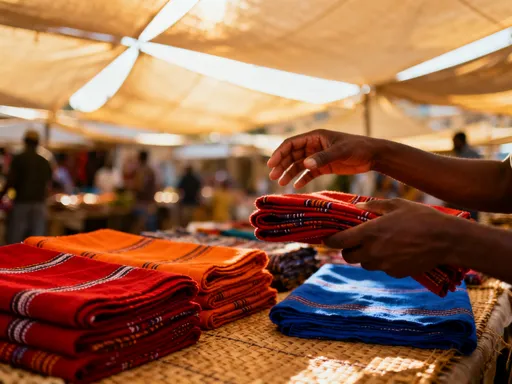
One of the most prized local ingredients is the lima de Sintra, a fragrant variety of lemon that thrives in the region’s rich soil. Smaller and more aromatic than commercial lemons, the limalima is used in everything from desserts to seafood dishes, its zest adding a bright, floral note that defines many local recipes. Farmers who grow it often sell directly at the weekly market, where baskets overflow with citrus, honey, and seasonal vegetables. Another treasure is Sintra’s wild mushroom harvest — particularly the prized porcini, which foragers collect in the early morning hours, guided by generations of knowledge about where and when to find them. These mushrooms appear on menus in simple sautés, rich risottos, or as a topping for grilled meats, always highlighting their earthy depth.
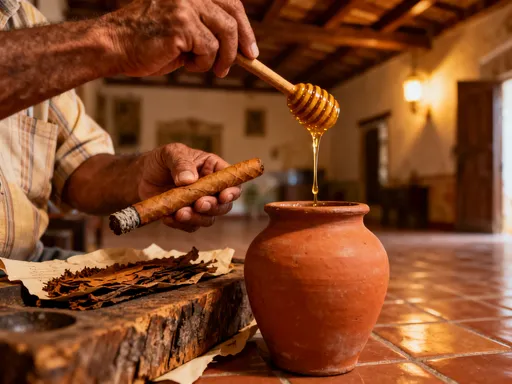
Local honey, produced by bees that feed on heather, rosemary, and eucalyptus, is another hallmark of Sintra’s terroir. Dark, floral, and slightly herbal, it is often drizzled over cheese or used to sweeten desserts, replacing refined sugar with a more complex, natural sweetness. At a small organic farm on the outskirts of town, I watched as a fourth-generation beekeeper explained how his family manages hives without synthetic treatments, relying instead on natural hive rotation and careful observation. “The land gives us what we need,” he said, “if we listen to it.” His words echoed a broader cultural ethos — one of respect, patience, and reciprocity with nature.
Chefs in Sintra understand this connection deeply. Many visit the morning market to select ingredients personally, building relationships with farmers and fishmongers. Some restaurants even list their suppliers on the menu, a quiet act of transparency and pride. This isn’t performative sustainability — it’s practical wisdom. By using what is in season and locally available, cooks ensure peak flavor while minimizing waste. The result is a cuisine that changes with the calendar: asparagus in spring, grilled sardines in summer, mushroom stews in autumn, and rich meat dishes in winter. For travelers, this means that returning in different seasons offers entirely new culinary experiences — not because the menu has been reinvented, but because the ingredients themselves have changed.
Dining with a View: How Landscape Shapes the Meal
In Sintra, the setting is never just a backdrop — it is an essential part of the dining experience. Restaurants here are not confined to city streets; they perch on cliffs, nestle in forest glades, or open onto sun-dappled terraces with panoramic views of the Atlantic. One of the most unforgettable meals I had was at a small seaside restaurant accessible only by a winding mountain road. Perched on a rocky outcrop, the building seemed to grow from the cliffs themselves, its wooden deck extending over the churning waves below. As the sun dipped toward the horizon, I sat down to a plate of grilled sardines, their skin crisp and smoky, flesh tender and rich with the taste of the sea. A simple salad of tomatoes and onions, a wedge of lemon, and a glass of chilled vinho verde completed the meal.
What made it extraordinary was not just the food, but the atmosphere. The cool ocean breeze carried the scent of salt and wild thyme. The rhythmic crash of waves below provided a natural soundtrack. As mist rolled in from the west, wrapping the coastline in a silvery haze, the pace of the meal slowed instinctively. There was no rush, no distraction — just the act of eating, observing, and being present. In that moment, I understood how deeply the landscape influences not only what is served, but how it is experienced. The cool mountain air heightens the senses, making flavors seem sharper, aromas more vivid. The quiet, broken only by birdsong or distant laughter, invites conversation and reflection.
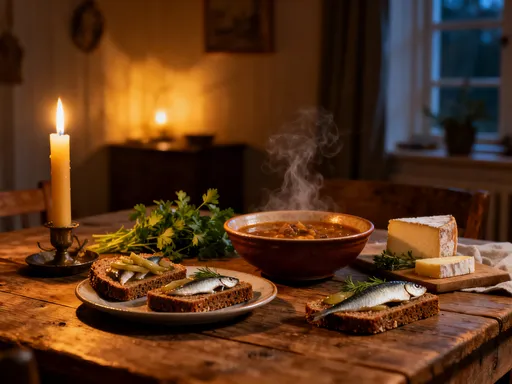
Other dining spots offer different kinds of magic. A restaurant hidden in the forest serves traditional stews in a stone-walled dining room lit by candlelight, the sound of a crackling fire adding warmth and intimacy. Another, located near the Moorish Castle, offers panoramic views of the valley below, where rooftops and treetops blend into a sea of green. At lunchtime, sunlight filters through the leaves, casting dappled patterns on the tablecloths. In the evening, the same spot transforms as lanterns are lit and the sky turns deep blue. These environments don’t just enhance the meal — they become part of its memory.
For travelers, choosing where to eat is as important as choosing what to eat. A dish may be delicious anywhere, but in Sintra, the right setting can elevate it into something transcendent. It reminds us that dining is not just a physical act, but an emotional and sensory one. When the view, the air, the light, and the company all align, a simple meal becomes a moment of deep connection — to place, to culture, and to oneself.
Finding the Authentic: Avoiding Tourist Traps with Confidence
With its growing popularity, Sintra has seen an increase in restaurants catering specifically to tourists — some offering genuine quality, others relying on location and signage rather than substance. For the discerning traveler, distinguishing between the two is key to unlocking the true flavors of the region. The good news is that with a few simple guidelines, it’s entirely possible to eat like a local, even on a first visit. One of the most reliable signs of authenticity is language: if the menu is only in Portuguese, you’re likely in a place where locals dine. While this may seem intimidating, most servers are accustomed to tourists and will gladly explain the dishes with warmth and patience.
Another clue is the presence of family names on the restaurant sign — “Tasca do António” or “Restaurante da Maria” — which often indicates a long-standing, family-run establishment. These places tend to have a lived-in feel: mismatched chairs, well-worn floors, and walls decorated with old photographs or wine labels. They are not designed to impress, but to serve. A quick glance inside during mealtime can also reveal a lot: if the tables are filled with Portuguese speakers, especially older couples or multi-generational families, it’s a strong sign that the food is trusted and beloved.
Timing matters, too. Visiting during off-peak hours — late lunch, mid-afternoon, or early dinner — increases the chances of avoiding crowds and experiencing a more relaxed pace. It also allows for meaningful interaction with staff, who may share stories, offer recommendations, or even invite you to taste a house-made liqueur. One of the best ways to eat authentically is to ask for the prato do dia, the dish of the day. This is typically made with fresh, seasonal ingredients and reflects the chef’s personal touch. It’s often the best value and the most revealing of local tastes.
My own misstep came early in my visit: I bought a queijada from a kiosk near the train station, drawn by the bright signage and quick service. The pastry was sweet, but cloying, lacking the subtle tang of the real thing. It was mass-produced, likely made elsewhere and shipped in. The lesson was clear — the most convenient option is not always the most authentic. By venturing just a few blocks away, I found a small bakery where the owner greeted regulars by name and pulled fresh queijadas from the oven every hour. That second bite — warm, balanced, and full of character — was worth the walk. For travelers, the reward of seeking out the real Sintra is not just better food, but a deeper, more meaningful connection to the place.
A Table That Tells a Story: Why Food Is Sintra’s True Heritage
In the end, it wasn’t the palaces or the views that stayed with me most — it was the table. The shared dessert with a pastry shop owner who told me about her grandmother’s recipe. The quiet lunch in a village tasca where no one spoke English, but everyone smiled. The morning market, where a farmer offered a taste of honey straight from the comb. These moments, built around food, became the heart of my journey. They reminded me that while monuments may capture our eyes, it is meals that capture our hearts. In Sintra, cuisine is not a sideshow to the sights — it is the main event, the living thread that connects past and present, visitor and local, land and table.
Every culture has its monuments, but few have preserved their culinary traditions with such care. In Sintra, recipes are not written down in cookbooks — they are passed through touch, taste, and memory. A pinch of this, a handful of that, cooked “until it feels right.” This oral tradition ensures that food remains personal, intimate, and alive. It resists standardization, embracing variation and imperfection as part of its beauty. To eat in Sintra is to be welcomed into that tradition, even if just for a meal.
Travelers often rush to check off landmarks, snapping photos before moving to the next site. But the deepest experiences come from slowing down — from sitting at a table, asking questions, tasting with attention, and listening to the stories behind the food. Sintra’s castles may draw visitors, but its kitchens keep them close. They offer a form of cultural exchange that is immediate, sensory, and deeply human. In a world that often feels fragmented, these moments of connection are rare and precious.
So when you go to Sintra, don’t just see the sights — taste them. Let the queijada teach you about convent life. Let the lamb stew tell you about mountain winters. Let the view from a cliffside restaurant remind you that beauty is not just seen, but felt, smelled, and savored. In Sintra, every meal is a memory waiting to be made. And sometimes, the most unforgettable journeys begin not with a map, but with a plate.