You Won’t Believe What This Czech Town Hides – Culture Like No Other
Marianske Lazne isn’t just another spa town in the Czech Republic—it’s a living museum of European culture. I didn’t expect to fall in love with its quiet streets, grand colonnades, and 19th-century charm until I wandered through them myself. From historic theaters to hidden music halls, every corner echoes with art, tradition, and elegance. If you’re craving authentic cultural venues far from tourist crowds, this is it. Let me take you where history breathes and culture thrives.
The Heartbeat of a Historic Spa Town
Marianske Lazne, nestled in the western reaches of the Czech Republic, stands as a testament to the refined tastes of 19th-century European aristocracy. Unlike modern wellness resorts that prioritize efficiency and luxury, this town evolved as a sanctuary where health, nature, and culture converged. Its origins trace back to the early 1800s when the discovery of mineral springs attracted visitors seeking therapeutic relief. But what set Marianske Lazne apart was not just its water—it was the deliberate cultivation of a cultural environment designed to elevate the spirit as much as heal the body.
Architects from across the Austro-Hungarian Empire were commissioned to shape the town, resulting in a harmonious blend of Neoclassical, Baroque Revival, and Renaissance-inspired styles. Wide promenades, manicured parks, and symmetrical plazas were carefully planned to encourage leisurely walks and social interaction. The town’s layout reflects a philosophy: that beauty and order contribute to well-being. This intentional design has earned Marianske Lazne a place among the UNESCO World Heritage-listed “Great Spa Towns of Europe,” a recognition that underscores its global cultural significance.
What makes the town’s cultural legacy enduring is the continuity of patronage. For generations, royalty, artists, and intellectuals have visited, leaving behind an atmosphere of refinement. Tsar Alexander II of Russia, composer Antonín Dvořák, and writer Johann Wolfgang von Goethe all spent time here, drawn not only by the healing waters but by the intellectual and artistic energy the town fostered. Their presence helped establish a tradition of cultural excellence that continues today, supported by local institutions and embraced by residents who take pride in their heritage.
The town’s identity as a cultural hub is not frozen in the past. Instead, it lives through daily rituals, public events, and architectural preservation. Visitors walking through the central park will notice how seamlessly the past integrates with the present—elderly couples reading on benches near historic fountains, children playing beside statues of composers, and musicians tuning their instruments under colonnades. This living continuity is what transforms Marianske Lazne from a historical site into a vibrant cultural experience.
Colonnades That Whisper Stories
The colonnades of Marianske Lazne are more than functional structures—they are architectural poetry. These elegant covered walkways, constructed from stone, cast iron, and timber, serve as both shelter and symbol. Originally built to protect spa guests from rain and sun as they moved between springs and hotels, they have become enduring icons of the town’s aesthetic and social life. Each colonnade carries its own character, shaped by the architect’s vision and the natural landscape it complements.
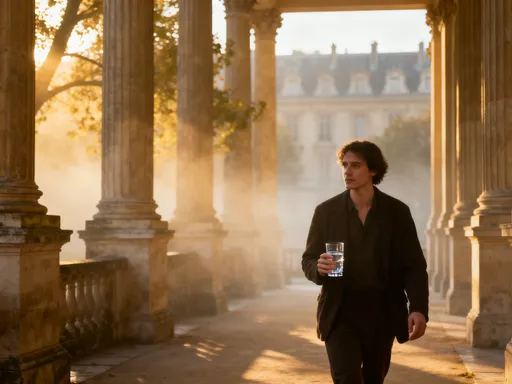
The most famous, the Main Colonnade near the Grand Hotel Pupp, rises with graceful arches and intricate ironwork that reflects the craftsmanship of the 19th century. Built in the 1880s, it spans over 50 meters and houses several mineral springs, including the potent Rudolf Spring, known for its high carbonation and digestive benefits. But beyond its practical use, the colonnade functions as a social heart. Locals and visitors gather here in the mornings, sipping water from porcelain cups, engaging in quiet conversation, or simply pausing to absorb the atmosphere.
What many don’t realize is that these colonnades were designed with acoustics in mind. Their vaulted ceilings and open sides create natural amplification, making them ideal for impromptu musical performances. On summer evenings, string quartets or folk ensembles often play beneath the Main Colonnade, their melodies drifting through the trees and across the square. The interplay of sound, stone, and nature creates a sensory experience that is both soothing and inspiring.
Other notable colonnades, like the Singing Fountain Colonnade, integrate artistic elements directly into their design. Here, water flows through sculpted pipes that produce harmonic tones as it moves—a playful yet sophisticated fusion of engineering and artistry. These details reveal a deeper truth about Marianske Lazne: culture is not confined to galleries or concert halls. It is embedded in the very infrastructure of the town, inviting engagement at every turn. For the mindful traveler, walking beneath these arches becomes a form of cultural listening—each step echoing with stories of those who came before.
Music That Fills the Forest Air
If Marianske Lazne has a soul, it speaks through music. The town’s relationship with classical and chamber music runs deep, rooted in its 19th-century heyday when aristocrats brought private orchestras and celebrated composers visited for inspiration. Today, that legacy thrives through a vibrant calendar of performances that transform the town into an open-air concert hall. From June to September, the air hums with violin strains, piano sonatas, and operatic arias, blending seamlessly with the rustle of leaves and the trickle of springs.
The centerpiece of the musical season is the annual West Bohemia Music Festival, which draws accomplished musicians from across Europe. Concerts are held in a variety of settings—the grand Smetana Hall, the historic Town Theatre, and even beneath the trees in the central park. Smetana Hall, named after the revered Czech composer Bedřich Smetana, is particularly significant. Though not as large as concert venues in Prague, its intimate size and excellent acoustics create a powerful connection between performer and audience. The hall’s wood-paneled interior and crystal chandeliers evoke a sense of timelessness, as if one has stepped into a 19th-century salon.
One of the most magical experiences is attending an evening concert in the park. As daylight fades, lanterns are lit along the pathways, and rows of chairs fill with listeners of all ages. A string quartet might perform a Haydn symphony, or a pianist might interpret Chopin with delicate precision. The music floats above the treetops, mingling with the scent of pine and the cool evening breeze. Children sit quietly beside their grandparents, and tourists close their eyes, letting the sound carry them away. There is no barrier between stage and audience—only shared appreciation.
What makes these performances special is their authenticity. They are not staged for tourists alone; they are part of the town’s cultural rhythm. Local residents attend regularly, some bringing their own chairs, others joining spontaneously as they pass by. This integration of art into daily life reflects a broader European tradition—one that views music not as entertainment, but as nourishment for the soul. For visitors, participating in these concerts offers more than aesthetic pleasure; it provides a window into a way of life that values beauty, discipline, and emotional depth.
Theaters and Art Spaces Off the Beaten Path
Beyond the grand venues, Marianske Lazne nurtures a network of smaller cultural spaces that pulse with local energy. The Městské divadlo, or Town Theatre, may not be listed in international travel guides, but it is a cornerstone of community life. Housed in a modest yet elegant building from the early 20th century, the theater hosts a seasonal program that includes Czech and European plays, children’s performances, and experimental productions by regional artists. Its stage has welcomed everything from Shakespearean drama to contemporary monologues, reflecting a commitment to both tradition and innovation.
What distinguishes the Town Theatre is its accessibility. Tickets are affordably priced, and performances are often followed by informal discussions with the cast. This openness fosters a sense of ownership among residents, who see the theater not as an elite institution, but as a shared cultural resource. Backstage tours and workshops are occasionally offered to visitors, providing a behind-the-scenes look at how productions come to life. These experiences deepen the connection between audience and art, turning passive observation into active engagement.
Equally compelling are the town’s art galleries and exhibition spaces, many of which are tucked into historic villas or repurposed spa buildings. The Gallery of West Bohemia Artists, for instance, showcases works by local painters, sculptors, and ceramicists, emphasizing regional themes and techniques. Exhibits change quarterly, ensuring that repeat visitors always encounter something new. The gallery also hosts artist talks and plein air painting sessions in the surrounding parks, inviting the public to witness creativity in progress.
Community arts centers play a vital role in sustaining cultural vitality. One such space, located near the Singing Fountain, offers classes in traditional crafts like embroidery, woodcarving, and glass painting—art forms that have long been part of Czech heritage. These workshops are open to adults and children, and many participants are families spending weekends together in creative pursuit. For travelers, joining a session offers a rare opportunity to learn from local artisans, not as spectators, but as collaborators. This hands-on approach to culture—where art is made, not just viewed—reflects a philosophy that values participation over performance.
Literary Traces in Parks and Pavilions
Marianske Lazne has long been a haven for writers, a place where the quiet rhythm of nature and the elegance of surroundings spark reflection and creativity. Literary history is not confined to books here; it is inscribed into the landscape itself. Along the park pathways, bronze plaques mark the spots where famous authors once rested, composed, or found inspiration. Benches bear dedications to figures like Fyodor Dostoevsky, who visited in the 1870s and reportedly worked on *The Brothers Karamazov* during his stay, and Milan Kundera, whose novels often explore themes of memory and identity against Central European backdrops.
The town’s connection to Johann Wolfgang von Goethe is particularly cherished. Though he never visited Marianske Lazne, his influence looms large, and a dedicated walking path—Goethova stezka—guides visitors through shaded groves and past springs associated with his philosophical ideas about nature and healing. Interpretive signs along the route quote his writings on wellness and aesthetics, inviting contemplation with every step. This integration of literature into the environment transforms a simple walk into a meditative journey, where the mind wanders as freely as the feet.
Other literary tributes include a small pavilion dedicated to Mark Twain, who visited in 1901 and wrote fondly of the town’s charm and tranquility. His letters describe the colonnades, the music, and the “gentle manners” of the people, capturing a moment in time that still resonates today. A first edition of his travelogue *Following the Equator* is displayed in the town’s cultural center, accompanied by photographs from his visit. These artifacts are not presented as relics, but as living connections to a tradition of thoughtful observation.
For the culturally curious traveler, following these literary trails offers more than historical insight—it cultivates a slower, more reflective way of traveling. Instead of rushing from landmark to landmark, one learns to pause, read, and imagine. The act of sitting on a writer’s bench, sipping mineral water, and watching the light shift through the trees becomes a form of quiet homage. In a world that often values speed and spectacle, Marianske Lazne reminds us that some of the most profound cultural experiences are found in stillness and silence.
Cultural Rituals Worth Experiencing Firsthand
The true essence of Marianske Lazne reveals itself not in grand events, but in daily rituals that have been preserved for generations. These traditions are not performed for tourists; they are lived by residents and open to all who wish to participate. One of the most cherished is the morning spa walk—a slow, deliberate journey from hotel to spring, where guests sip mineral water according to a prescribed regimen. Dressed in light jackets and carrying ornate cups, visitors move in quiet procession, often accompanied by the soft notes of a piano played in a nearby pavilion.
At noon, the town comes alive with the sound of brass bands. Near the Main Colonnade, a local ensemble performs a short concert, playing folk tunes, waltzes, and classical pieces. People pause their walks, children dance on the grass, and elders nod along with closed eyes. This daily ritual, simple yet profound, reflects a cultural rhythm that values regularity, beauty, and community. Unlike staged performances, these concerts feel spontaneous and genuine—part of the town’s natural pulse.
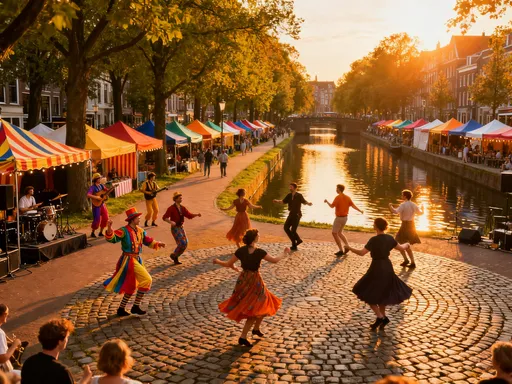
Seasonal celebrations offer deeper immersion. The summer Cultural Night, held in July, transforms the entire town into an open stage. Streets are closed to traffic, and dozens of performances unfold simultaneously—poetry readings in gardens, puppet shows for children, jazz trios in courtyards. Local restaurants offer special menus featuring regional dishes, and artisans set up stalls selling handmade crafts. The atmosphere is festive yet intimate, filled with laughter and shared enjoyment. Another highlight is the Autumn Harmony Festival, which blends music, wellness lectures, and nature walks, emphasizing balance and reflection.
For visitors, participating in these rituals is transformative. It shifts the experience from observation to belonging. Sipping water at a spring, clapping after a noon concert, or joining a lantern-lit evening walk allows one to step into the town’s cultural fabric. These moments may seem small, but they accumulate into a deep sense of connection. They remind us that culture is not something to be consumed, but something to be lived—one ritual at a time.
How to Travel Here with Cultural Curiosity
Reaching Marianske Lazne requires intention, not just itinerary. The town is accessible by train from Prague (approximately 2.5 hours) or by car via well-maintained highways. Public transportation within the town is efficient, with frequent buses connecting hotels, springs, and cultural venues. However, the best way to experience Marianske Lazne is on foot. Its compact size and pedestrian-friendly layout make walking not only practical but essential to absorbing its atmosphere.
The ideal time to visit for cultural engagement is between May and September, when the festival season is in full swing. The West Bohemia Music Festival, Cultural Night, and various art exhibitions are scheduled during these months, offering rich programming. However, spring and autumn also hold quiet charm, with fewer crowds and a more contemplative mood. Winter visits, while peaceful, have limited events, though the snow-draped colonnades and frost-covered parks offer their own kind of beauty.
For those planning to attend performances, tickets can be purchased online or at local cultural offices. Many events are reasonably priced, and some outdoor concerts are free. It is advisable to book accommodations in advance, particularly in historic hotels like the Grand Hotel Pupp or smaller guesthouses with spa access. Staying for at least three to four days allows travelers to move beyond surface-level tourism and begin to understand the town’s rhythms.
Respectful etiquette enhances the experience. When attending concerts or visiting cultural sites, modest dress and quiet behavior are appreciated. Tipping is customary in restaurants and for spa services, typically 10%. Most importantly, visitors are encouraged to slow down. Marianske Lazne rewards patience and presence. Instead of checking off attractions, one is invited to linger—to sit on a bench, listen to a fountain, or watch sunlight filter through the trees. This mindful approach aligns with the town’s ethos of wellness and cultural stewardship.
Combining spa treatments with cultural exploration creates a balanced visit. Morning walks to the springs can be followed by gallery visits or afternoon concerts. Many wellness programs now include guided cultural tours, recognizing that mental and emotional well-being are intertwined with artistic engagement. By embracing both aspects, travelers gain a holistic experience—one that nurtures body, mind, and spirit.
Finally, preservation matters. Marianske Lazne’s beauty and cultural richness depend on responsible tourism. Visitors are asked to respect historic buildings, avoid loud behavior in quiet zones, and support local businesses. By traveling with care and curiosity, one becomes not just a guest, but a participant in the ongoing story of this remarkable town.
Marianske Lazne does not display its culture behind glass cases or within sterile museums. Instead, it lives in the daily rhythms of its people, the music that drifts through the trees, the literature etched into park benches, and the rituals that unfold with quiet consistency. This is culture not as performance, but as practice—a living tradition passed down and renewed with each generation. For the traveler seeking depth, meaning, and authenticity, the town offers a rare gift: the chance to witness history not as a relic, but as a living presence. Let your next journey be guided not by checklists, but by curiosity. Walk slowly. Listen closely. And allow the quiet elegance of Marianske Lazne to remind you of what culture, at its best, can be.